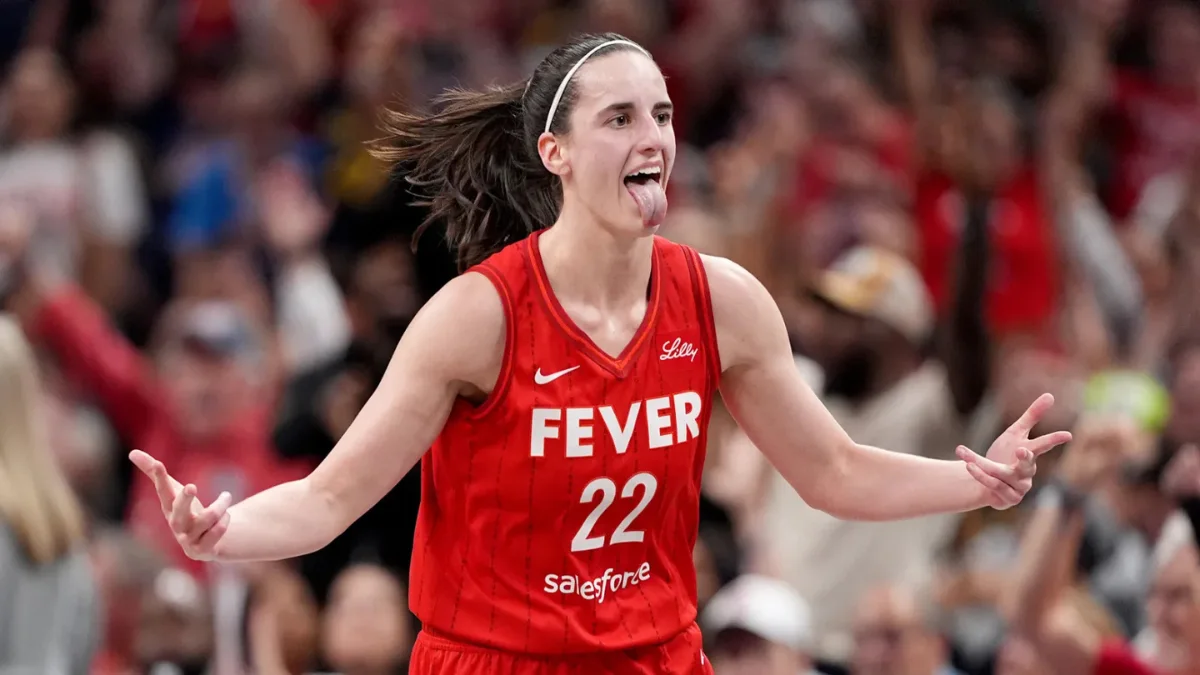
Caitlin Clark grew up shooting hoops in a West Des Moines backyard with her brothers, sometimes joining all-boys leagues because girls’ teams for her age group didn’t exist. Nobody handed Caitlin Clark a spotlight. She built one, brick by brick, three-pointer by three-pointer, record by record, until the entire country had no choice but to look.
Born on January 22, 2002, Clark began playing basketball at age five and competed in boys’ recreational leagues because her father could not find a girls’ league for her age group.
By the time she was done with college, she had rewritten the record books in ways no one had managed in over five decades of Division I basketball. The Caitlin Clark rise to fame is not a story of overnight virality.
It’s a story of relentless work meeting the perfect stage at the perfect moment, and of a young woman from Iowa who didn’t just change her sport but forced an entire industry to ask uncomfortable questions about money, recognition, and what women’s athletics is actually worth.
Before the Records: The Kid Who Shot Until the Gym Lights Went Off
Long before the logo threes and the sold-out arenas, there was just a kid who refused to stop competing. Clark excelled in basketball at a young age but also tried volleyball, soccer, softball, tennis, and golf. She often recalls playing sports with her brothers in their backyard growing up and, due to limited opportunities for girls, joined an all-boys team in elementary school.
That competitive fire showed up immediately when she arrived at Dowling Catholic High School in West Des Moines. As a freshman in 2016, she averaged 15.3 points, 4.7 assists, and 2.3 steals per game, leading Dowling to a 19-5 record and earning Class 5A All-State third-team honors. She then boosted her scoring average to 27.1 points per game as a sophomore, helping Dowling to a 20-4 record.
By her senior year, the numbers bordered on absurd. As a senior, Clark led the state in scoring, averaging 33.4 points, while also putting up eight rebounds, four assists, and 2.7 steals per game. Clark finished her career with the fourth-most points in Iowa five-on-five history and was named Iowa Gatorade Player of the Year, Des Moines Register All-Iowa Athlete of the Year, and Iowa Miss Basketball.
She was supposed to play in the McDonald’s All-American Game. She was supposed to play in the Jordan Brand Classic. COVID canceled both events in 2020. Even fate tried to slow her down, but she couldn’t.
Why Iowa Was the Right Stage for the Right Player at the Right Time
Caitlin Clark could have gone elsewhere. She was a coveted recruit, rated the fourth-best player in her class by ESPN. But she chose to stay in Iowa, playing for the Hawkeyes under head coach Lisa Bluder, a decision that in hindsight looks less like loyalty and more like destiny.
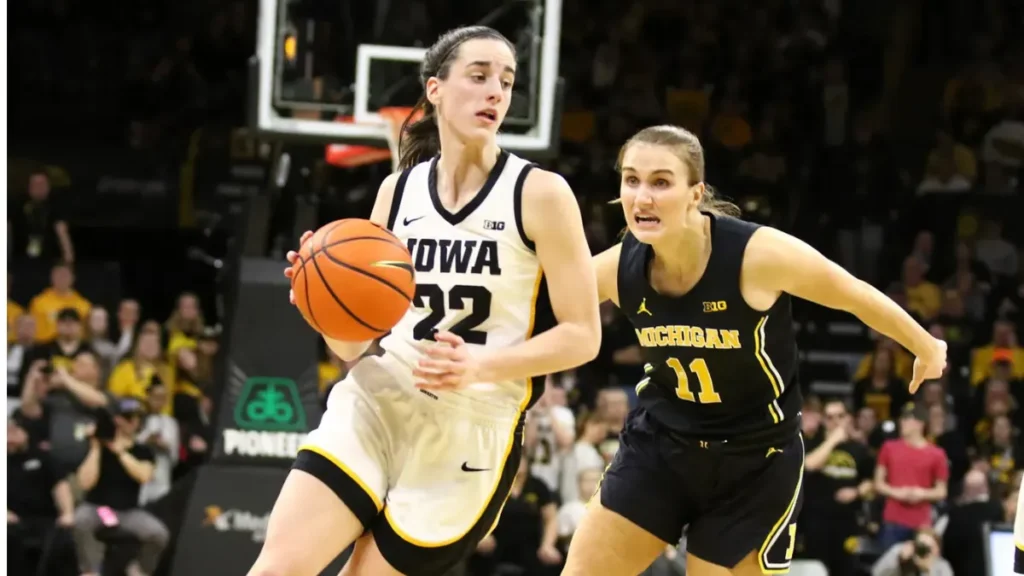
Iowa gave her the freedom to be exactly who she was: bold, long-range, fearless. She didn’t have to fit a system. The system fit her. In her freshman season with Iowa, she led the NCAA Division I in scoring and earned All-American honors. As a sophomore, Clark became the first women’s player to lead Division I in points and assists in a single season.
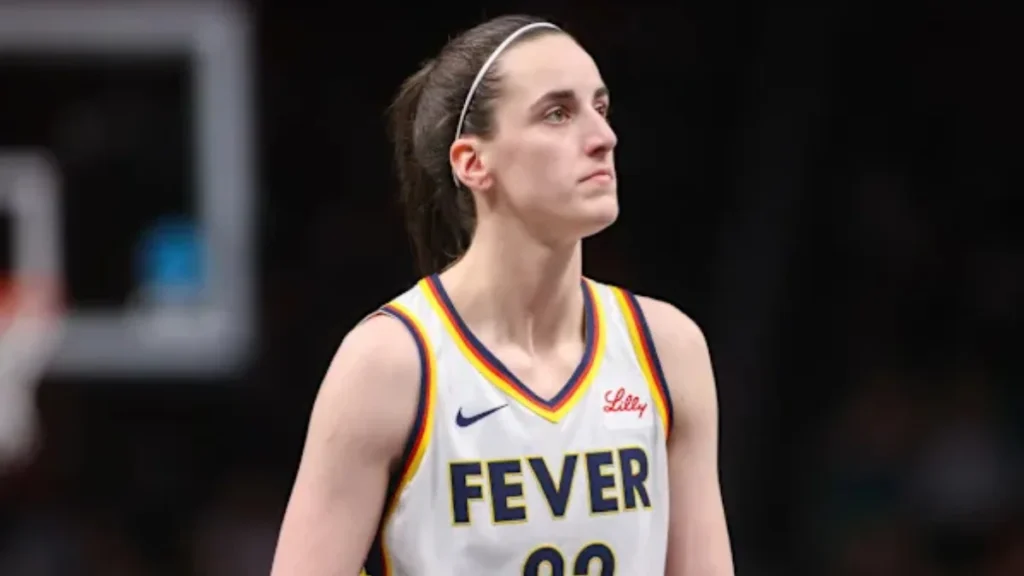
The stage mattered too. Iowa is not a media capital. It’s a state where college basketball is a genuine religion, where fans fill arenas on cold Tuesday nights, and road trips to watch their Hawkeyes are family traditions. When Clark started filling those arenas in ways they’d never been filled before, the story had a distinctly Midwestern, underdog quality that resonated nationally.
Iowa’s head coach, Lisa Bluder, summed it up plainly: “It’s been amazing how much she is growing this game. She’s the face of women’s basketball across the United States.” That quote came midway through Clark’s junior season. By the time she was done, it was barely an exaggeration.
The Shot Heard ‘Round the Country: The Moments That Made Her Famous
Caitlin Clark rise to fame accelerated through a series of moments that even casual sports fans couldn’t ignore. She didn’t just play well. She played spectacularly, in the biggest games, at the highest stakes.
As per CNN, she became the first player ever to record a 40-point triple-double in a men’s or women’s NCAA Tournament game, putting up 41 points, 10 rebounds, and 12 assists against Louisville in 2023. Magic Johnson himself posted about it online.
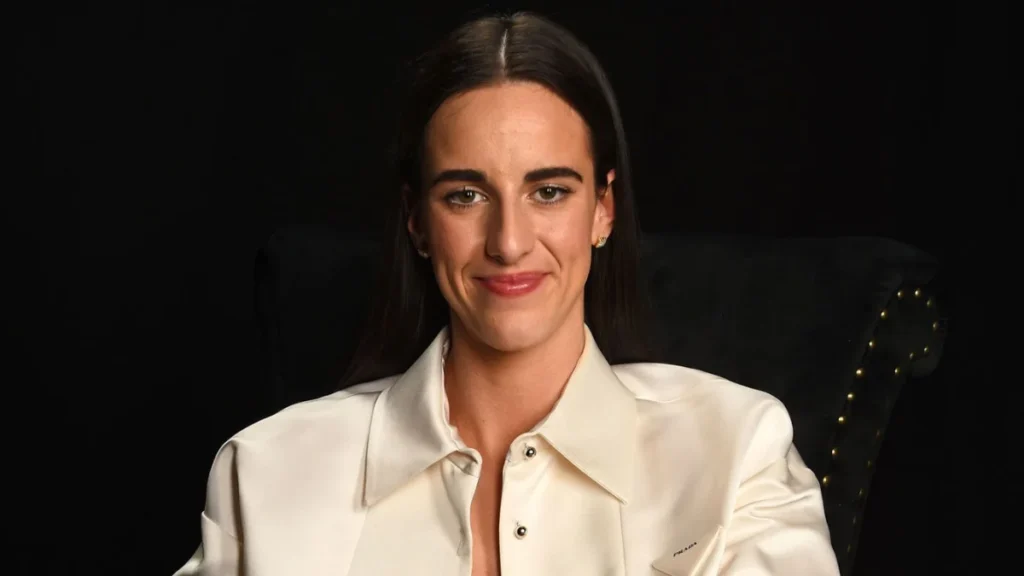
Iowa kept advancing. The arenas kept filling. Iowa’s run was capped by a sellout crowd of 19,482 at the 2023 championship game between Iowa and LSU, which became the most-viewed women’s college basketball game in history at 9.9 million viewers. That was her junior year. She came back for one more.
Her senior season pushed the needle even further. When Iowa took on Maryland on Fox, 1.6 million watched and broke a then-network record for the sport. Even Fox unveiled a Caitlin Clark Cam, an alternate viewing experience available on TikTok. A dedicated camera. For one college basketball player. That had never happened before.
Iowa sold out all of its home games that year and all but two on the road. Ticket prices for Iowa’s regular-season home game against Ohio State were the highest on record for a women’s basketball game. People were paying NFL prices for a Big Ten women’s basketball regular-season game. In January. In Iowa.
Breaking Pete Maravich: The Night Sports Changed for Women’s Basketball
If there was a single moment that crystallized Caitlin Clark’s rise to fame into something undeniable, it happened on March 3, 2024, in a packed arena against Ohio State.
Clark finished with 35 points, nine assists, and six rebounds in a 93-83 win over No. 2 Ohio State, according to Fox Sports. Just before halftime, Clark notched yet another record, breaking Pete Maravich’s 54-year record for the most points in DI basketball history across either gender.
Let that sit for a moment. Pete Maravich, “Pistol Pete,” had held the all-time scoring record in college basketball since 1970. Across men’s and women’s basketball. Across more than five decades. Clark broke it during a season in which she was simultaneously breaking Stephen Curry’s NCAA single-season three-point record and Diana Taurasi’s record for career tournament threes.
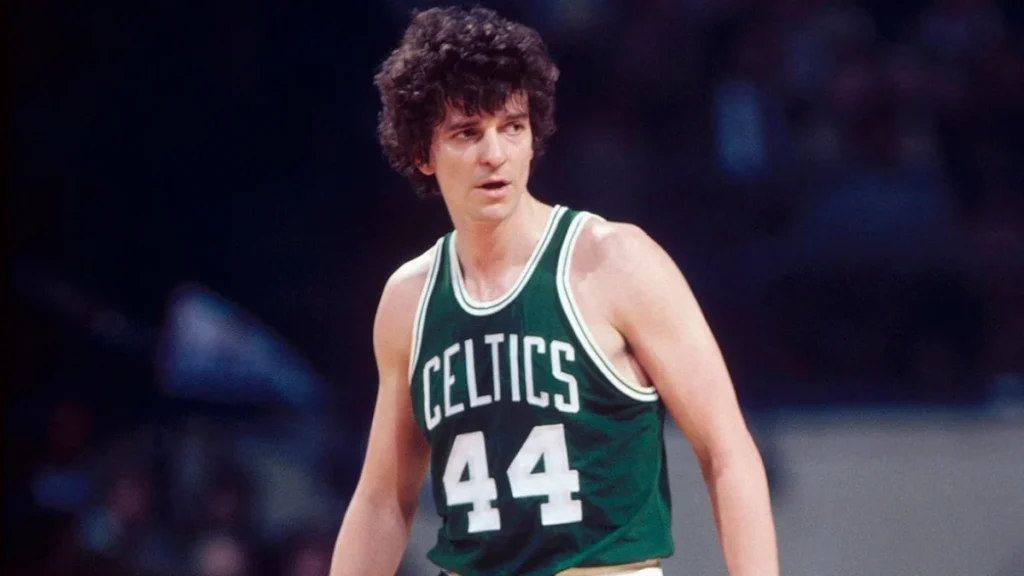
She scored 3,951 points in her career, averaged 31.6 points per game her senior year, and 28.4 points for her career. The numbers are absurd. But numbers alone don’t explain why millions of people who had never watched women’s basketball before tuned in specifically to watch her play. She plays the game differently. There was never a player who consistently takes and makes logo 3s. A player who can space the floor and then manipulate defenders and pass with accuracy and velocity.
The 2024 national championship game smashed the viewership record from the prior year, with an average of 18.7 million people tuning in. For context, that outrated the men’s final. Women’s basketball, for one night in April, was the most-watched basketball event in the country.
The Friction of Going Pro: WNBA Pay, Visibility, and the Reality Check
The WNBA Draft drew 2.45 million viewers, a 307% increase over the previous record. The Indiana Fever selected Clark first overall. The country celebrated. Then people looked at the contract, and the conversation shifted fast.
Under the 2024 WNBA rookie scale, she would earn a base salary of $76,535 for her first year, $78,066 the second year, and $85,873 the third, with a fourth-year option of $97,582, totaling $338,056 over four years.
The backlash was immediate and loud. The 2024 women’s basketball NCAA tournament championship game boasted more viewers than the men’s final for the first time in history, yet Clark would earn an average of only $84,000 a year as the number one WNBA draft pick, while the number one pick in that year’s NBA draft, Victor Wembanyama, was earning about $13 million per year.
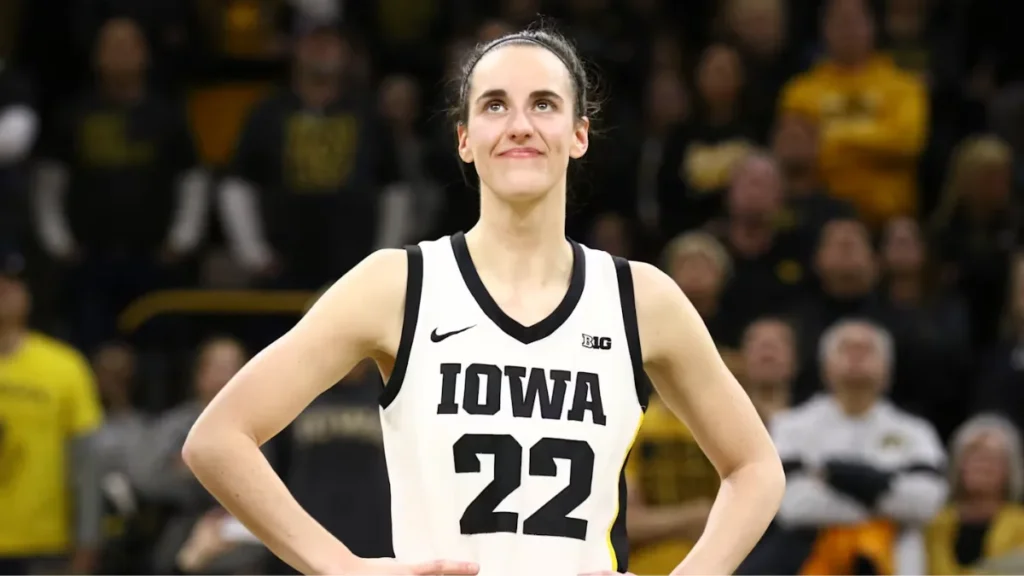
It was an uncomfortable conversation, but it was an important one. The salary disparity revealed something about how women’s sports have historically been valued, regardless of their actual audience numbers. WNBA Commissioner Cathy Engelbert pushed back, noting that Clark could make up to half a million dollars in WNBA wages, including league and team marketing agreements, in addition to millions in endorsements.
That’s technically true. Clark landed at No. 10 on Sportico‘s list of highest-paid female athletes for 2024 with $11.1 million in earnings, but made just $100,000 from her WNBA salary and bonus, while the other $11 million came from brand deals including Nike, State Farm, Panini, and Gatorade.
The optics were jarring. The most transformative player to enter the league in a generation was earning less in base salary than many first-year teachers in major cities. The conversation she sparked would eventually lead somewhere real, but that was still a year away.
Rookie Year Shock: How She Made the League Rethink Everything
Whatever the salary debates, what happened on the court and in the stands during Clark’s rookie season was staggering.
Indiana’s home and road combined attendance easily set a new single-season league record with 643,343 fans over 40 games. After averaging about 4,000 fans at home games the prior summer, the Fever shot up to over 17,000 in 2024. Four teams moved their home games against the Fever to much larger NBA venues to accommodate the unprecedented ticket demands.
WNBA games averaged 9,807 fans per regular-season game in 2024, a 48 percent increase over the 2023 season. The league marked a total attendance of more than 2.35 million, the most tickets the WNBA had sold in 22 years. Teams recorded sellouts in 154 games, a 242 percent increase over the prior season’s 45 sellouts.
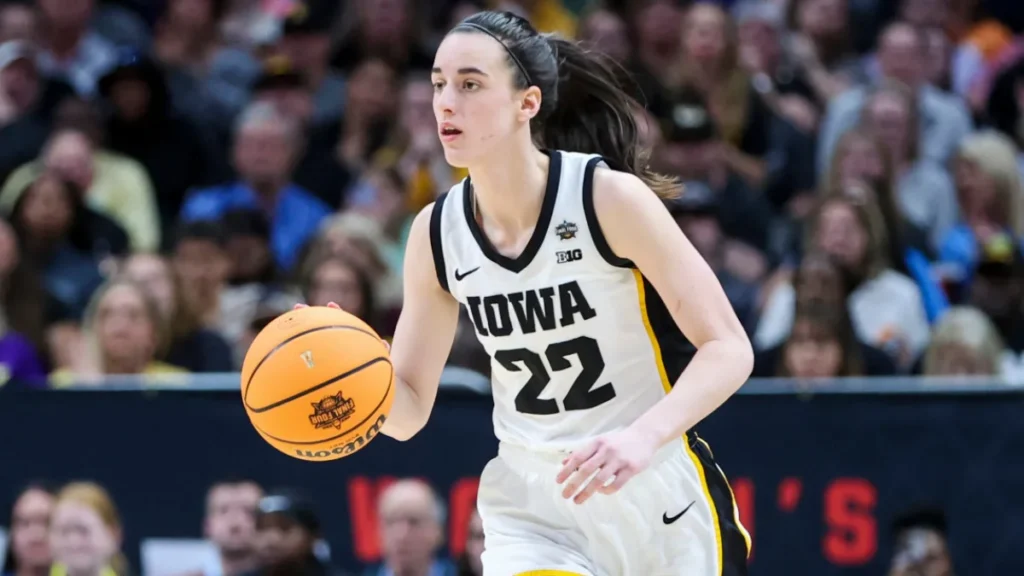
The numbers off the court were extraordinary. But the numbers on it were just as remarkable. Clark won the Rookie of the Year award after breaking the WNBA single-season record with 337 assists, including a league-record 19 in one game. She broke the single-season rookie scoring mark by averaging 19.2 points per game. She became the first WNBA rookie to ever record a triple-double, and she did it twice. Her 122 three-pointers, the second-most by anyone in any WNBA season, was another rookie record.
Games featuring the Fever averaged 16,084 in attendance, while non-Fever games averaged 8,552. An economist at Indiana University calculated that Clark was responsible for $36 million in economic impact to the city of Indianapolis and almost 27% of the league’s economic activity for the 2024 season.
One player. Twenty-seven percent of a league’s economic activity. That’s not an athlete anymore. That’s an industry.
The Injury That Stole 2025 and Why It Didn’t Stop the Momentum
Then came the hard part.
Clark never missed a game during four years at the University of Iowa or during her rookie WNBA season in 2024, but three separate injuries sidelined her for 28 of 41 regular-season games in 2025. She suffered a right groin injury during the Fever’s win over the Connecticut Sun on July 15 and was eventually ruled out for the remainder of the season.
In her statement, Clark didn’t sugarcoat her frustration. “I had hoped to share a better update, but I will not be returning to play this season. I spent hours in the gym every day with the singular goal of getting back out there. Disappointed isn’t a big enough word to describe how I am feeling.”
I had hoped to share a better update, but I will not be returning to play this season. I spent hours in the gym every day with the singular goal of getting back out there, disappointed isn’t a big enough word to describe how I am feeling. I want to thank everyone who had my back… pic.twitter.com/paD5sEYG1q
— Caitlin Clark (@CaitlinClark22) September 5, 2025
What happened next proved something important about what she had built. National television viewership for the WNBA saw a significant decline of 55% during a two-week period when Clark was sidelined. The league’s numbers dipped. That’s the uncomfortable truth that comes with being that kind of singular draw. But the infrastructure she had helped build held.
The league still had record attendance during the 2025 season, even with Clark missing most of it. The fans she had brought to women’s basketball didn’t all disappear when she got hurt. Some of them stayed. That matters enormously for the long-term health of the sport.
And her return in the 2026 preseason, though shaky on the stat sheet, carried enormous symbolic weight. She made just two of 10 field goal attempts but noted after the game: “I think anytime you get to put on your uniform and lace up your shoes, you don’t take that for granted, especially after coming off last year when I didn’t get to do that very much.”
What the Rise of Clark Tells Us About Where Women’s Sports Is Headed
Here’s the larger story hiding inside the Caitlin Clark rise to fame: she didn’t just become famous. She forced a system to change.
The pay gap conversation she reignited had immediate and tangible results. After the WNBA and the players’ union finalized a new collective bargaining agreement, Clark’s salary with the Indiana Fever will jump from $85,000 to roughly $528,000 in 2026, with the salary cap climbing from $1.5 million per team to $7 million, according to Yahoo Sports. The new labor agreement establishes a supermax salary of $1.4 million and lifts minimum contracts above $300,000.
That’s not a small adjustment. That’s a transformation. And it happened, at least in part, because one player’s profile became so large that the conversation about what women athletes are paid became impossible to ignore at a mainstream level.
Per NCAA records, 292,456 fans attended women’s first and second-round tournament games in 2024, an increase of 60,779 fans from 2023. Just five years earlier, 274,873 fans attended the entire 2019 women’s tournament. The trajectory is unmistakable.
The WNBA announced an 11-year media rights deal valued at about $2.2 billion, approximately $200 million per year, significantly higher than the $60 million the league was getting before. The economics of women’s basketball are genuinely different now than they were five years ago.
None of that happened in a vacuum. It happened because a kid from West Des Moines decided the gym lights weren’t going to stop her. It happened because she chose to stay home, play for Iowa, and build something bigger than herself. The Caitlin Clark rise to fame is the story of a generational talent meeting a generational moment. And by almost every measure, the moment is still very much unfolding.