In the summer of 2024, something happened in American sports that nobody had a playbook for. A 22-year-old rookie walked into the WNBA, and the entire business of women’s basketball stopped looking the way it always had.
Arenas that once sat half-empty were suddenly selling out before tip-off. Television executives who had been used to six-figure viewership numbers were suddenly staring at seven-figure audiences and wondering how to explain it to their boards.
A league that had quietly existed on the margins of mainstream sports culture for nearly three decades was, almost overnight, impossible to ignore. The name attached to all of it was Caitlin Clark. And what she triggered — in ratings, in revenue, in labor economics, and in culture — is now one of the most studied and debated phenomena in modern sports history.
This is what the Caitlin Clark Effect actually looks like when you follow the numbers all the way down.
One Player, One Number: What the Ratings Data Actually Shows
Before Caitlin Clark arrived in the WNBA, the baseline for women’s professional basketball on ESPN was roughly 440,000 to 454,000 viewers per game. That was the 2023 average, and for context, it was not considered a crisis. The league was growing steadily, and everyone in the building knew it. What nobody knew was how fast things were about to move.
According to SI.com, the 2024 WNBA season on ESPN averaged 1.2 million viewers per broadcast. That is a 170% increase in a single year. Not a decade. One year.
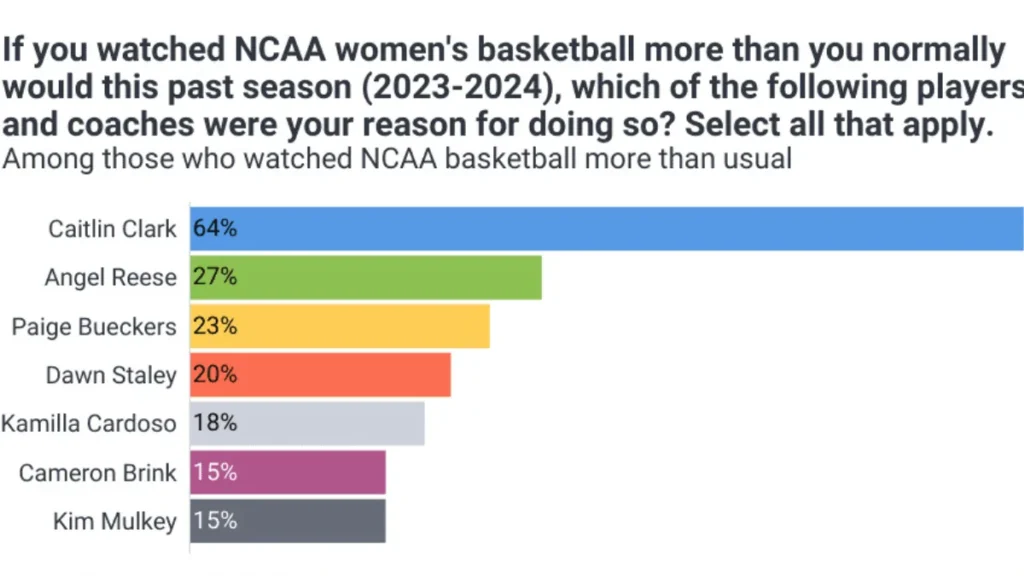
ION, the league’s secondary broadcast partner, posted a 133% increase, recording 23.37 million unique viewers across the season, with seven individual broadcasts topping one million viewers. Across all networks, 23 WNBA games in 2024 averaged at least one million viewers, the highest mark in league history.
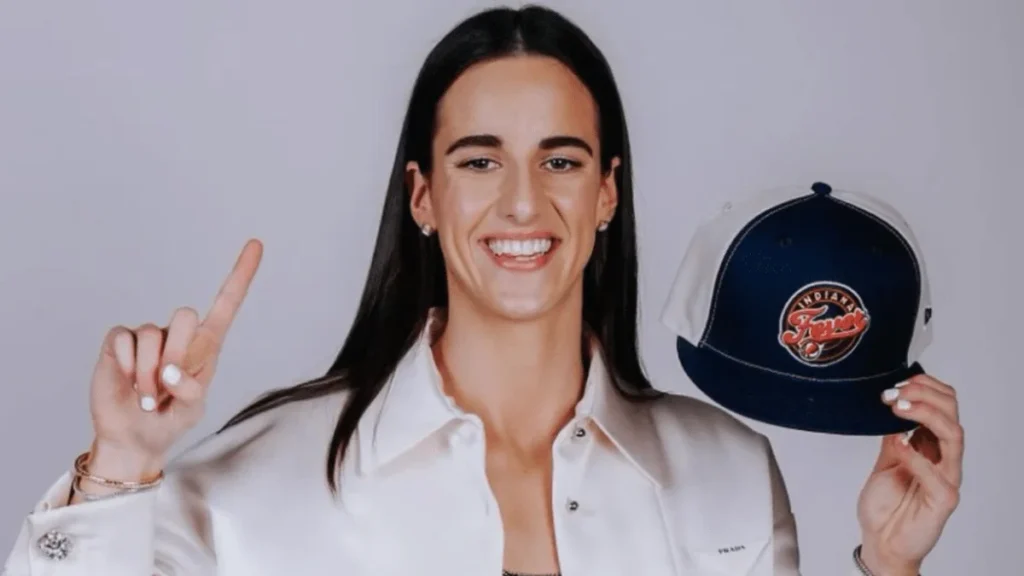
The draft alone told the story before the first game was played. When Clark was selected No. 1 overall by the Indiana Fever, 2.45 million viewers tuned in to the WNBA Draft — nearly five times the previous year’s audience of 512,000 and a 307% jump from the all-time record set in 2004 when Diana Taurasi was drafted. A record, shattered before she ever put on a WNBA uniform.
From 440K Viewers to 1.19 Million — The 170% Jump That Shocked Executives
The interesting part about the ratings story is not just the size of the jump. It is the consistency of it. Clark’s nationally televised games averaged 1.19 million viewers per game, while Indiana appeared in 19 games that delivered one million or more viewers for the league’s broadcast partners — a run that was almost unthinkable before 2024, given that the last time a WNBA telecast managed a similar number was years prior.
The playoff numbers were even more jaw-dropping. Game 2 of the Fever-Sun first-round series drew 2.5 million viewers on ESPN, marking the largest cable audience in WNBA history, with viewership peaking at 3.4 million. That single game represented a 507% increase over the previous year’s first-round coverage on ESPN, as per Sportskeeda.
Then came the All-Star Game. The 2024 WNBA All-Star Game averaged 3.4 million viewers on ABC, making it the most-watched All-Star event in league history and 300% higher than the 2023 edition. It also nearly tripled the league’s previous record set in 2003.
These were not incremental improvements. These were structural ruptures. The kind of numbers that make network programmers rebuild entire broadcast schedules around a single sport.
How Clark Forced the WNBA to Rewrite Its Own Economics
When the business of a league changes this fast, the rule book has to follow. And that is exactly what happened.
The attendance shift was immediate and physical. Total league attendance was up 48% from 2023. There were 154 sellouts and an average of 9,807 fans per game, up from 6,615 the previous season. Indiana’s home and road combined attendance set a new single-season league record at 643,343 fans across 40 games, with the next closest team falling more than 200,000 fans behind.
The Indiana Fever, a franchise that had been averaging around 4,000 fans at home games the prior year, shot up to over 17,000 in 2024. Teams across the league were relocating games to larger NBA arenas just to meet demand that had never previously existed in women’s professional basketball.
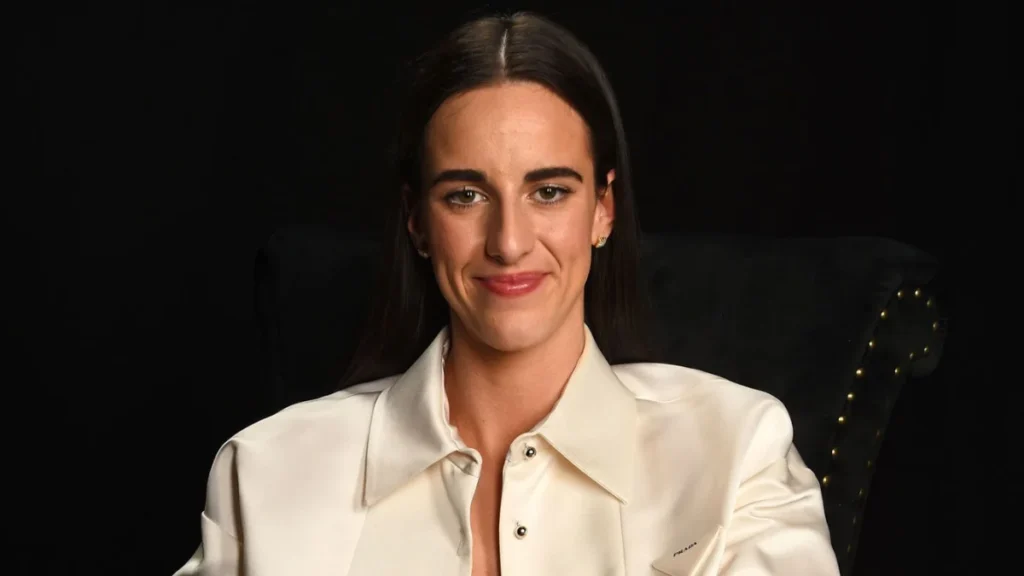
And the merchandise numbers bordered on the surreal. The Fever reported a 1,193% increase in uniform sales year over year. Within hours of Clark being drafted, her jersey became the fastest-selling rookie jersey in WNBA history, with demand so intense it buckled the league’s entire merchandise infrastructure.
The franchise valuation followed accordingly. By the end of 2025, Forbes placed the Indiana Fever at a $370 million valuation, second in the WNBA only to the New York Liberty, but ahead of Liberty in actual revenue at $32 million. That is a franchise that, before Clark, most casual sports fans could not have located on a map.
The CBA Connection: Did Clark’s Arrival Cause the Biggest Salary Leap in League History?
Here is where the Caitlin Clark Effect becomes something bigger than television ratings or ticket sales. Here is where it becomes structural.
For most of WNBA history, the salary situation for players was, to put it diplomatically, inconsistent with the talent on the floor. A league that produced Olympic gold medalists and world-class athletes was paying many of its stars less than a mid-level corporate salary. The previous supermax before 2026 was $249,244. Many players made a fraction of that.
Then came the new collective bargaining agreement, finalized in March 2026 after the most revenue-rich period in WNBA history — revenue that Clark had a direct hand in generating.
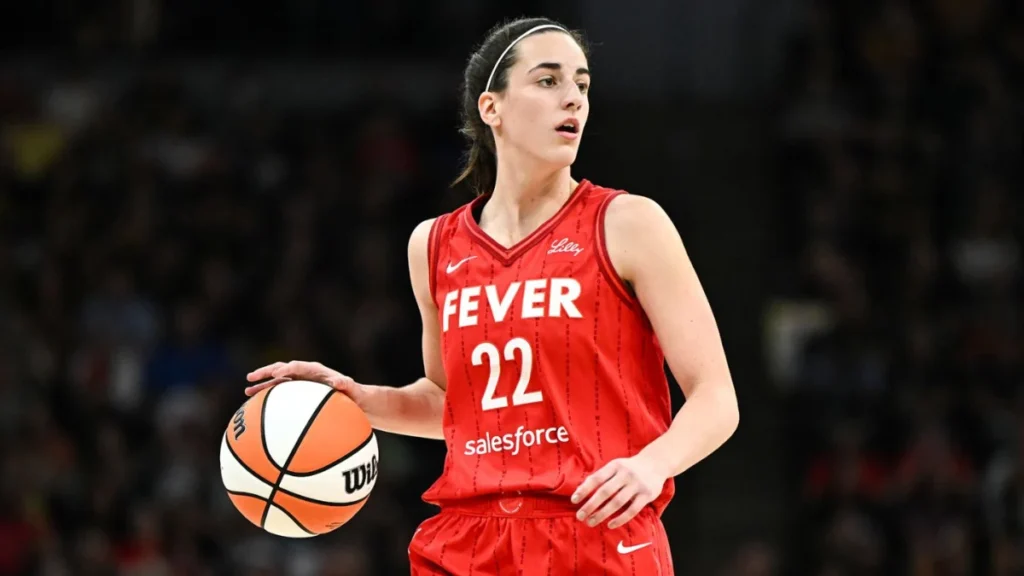
The WNBA announced the CBA as “one of the most transformational labour agreements ever reached in major professional sports.” The 2026 salary cap will start at $7 million per team, rising from $1.5 million in 2025. The average player salary will be around $600,000, and the supermax will start at $1.4 million, up from $249,244.
To understand the scale of that shift, consider that the new WNBA minimum salary of $270,000 is larger than last year’s $249,000 supermax for players. The floor is now higher than the old ceiling.
Clark herself, who earned $76,535 as a rookie and $78,066 in her second season, will jump to $528,846 in 2026. Under a new CBA provision called EPIC, or Exceptional Performance on Initial Contract, players can renegotiate based on performance milestones, meaning Clark is projected to earn $1.3 million in 2027 and could be eligible for a $1.7 million supermax in 2028.
The league that once paid its biggest star less than many mid-level office workers is now structurally transformed. And the revenue that transformed possible did not build up quietly over a decade. It arrived in one season.
Arenas, Merchandise, and the Money Flowing Into Franchises That Never Saw It Before
One of the less-discussed elements of the Caitlin Clark Effect is how broadly the economic uplift spread. The Fever were the obvious beneficiary. But this was not a single-team story.
After the Fever’s game against the Las Vegas Aces broke ticket sales records, the Aces moved the game from their 12,000-seat home arena to T-Mobile Arena, a venue with 18,000 seats more commonly used for UFC events, to meet demand. Other franchises reported similar dynamics: teams that had never sold out suddenly needed waiting lists.
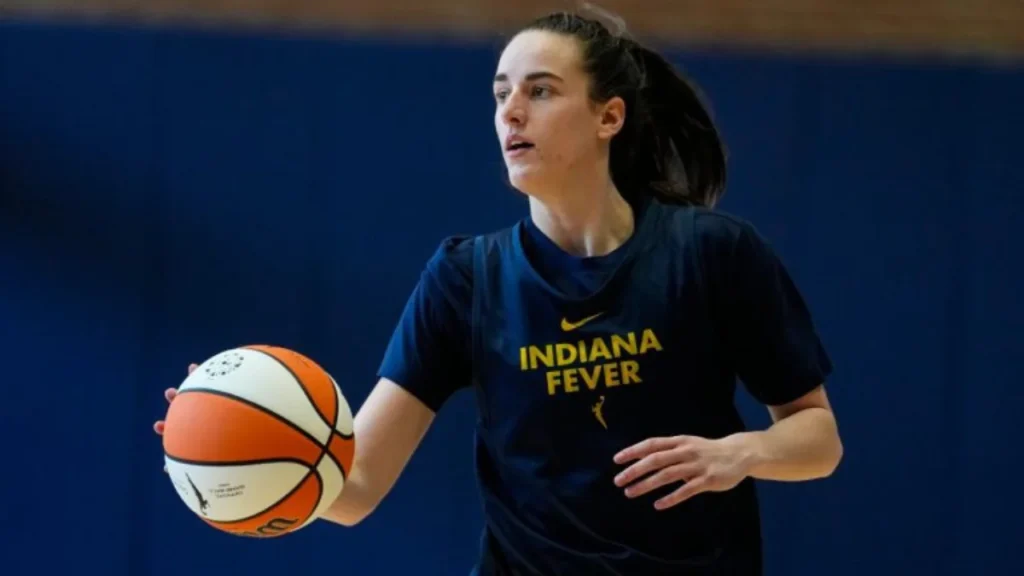
Between April and July of 2024, the Indiana Fever outpaced every team in the NBA, NFL, NHL, and MLB in team-produced video consumption, recording 800 million views, topped only by MLS’s Inter Miami. In social media reach, a WNBA team was beating century-old professional sports franchises. That kind of digital engagement directly translates into sponsor interest, broadcast value, and merchandise revenue.
In June 2025, sports marketing agency Two Circles confirmed Clark was the most-talked-about female athlete from any sport on social media in 2024, with posts mentioning her producing the highest engagement of any female athlete.
For franchises that had spent years struggling to attract national brand partners, the Clark Era represented a fundamental change in how the WNBA was perceived as an advertising vehicle. Brands that had historically viewed women’s basketball as a niche were suddenly competing for placement.
Why Media Kept Trying to Minimize It — and Why the Numbers Won
Not everyone in sports media greeted the Caitlin Clark Effect with open arms. For much of her rookie season, a segment of commentary orbited around the idea that the surge was either overstated, racially complicated, or unsustainable without her presence.
There was a legitimate underlying question: only three non-Fever WNBA games topped one million viewers in 2024. Clark’s games averaged 1.18 million, while all other WNBA contests drew a relatively subdued 394,000. The gap was real, and some analysts used it to argue the rising tide had a very specific source.
But the argument that the broader league had not benefited was harder to sustain. The 2024 WNBA Finals, which did not feature Clark’s Fever, still averaged 1.6 million viewers — a 115% jump over the prior year. The postseason as a whole averaged 3.3 million, the most-viewed in 25 years.
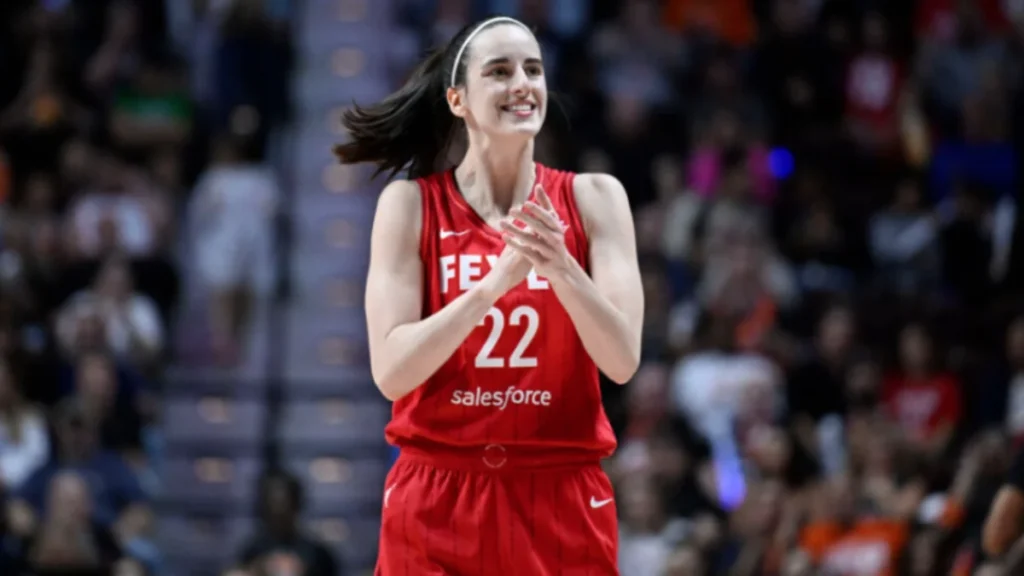
Despite Clark’s repeated public refusal to engage with culture war narratives, those narratives followed her anyway. Her presence as a white woman in a predominantly Black league became a lens through which many observers on both ends of the political spectrum attempted to define what her popularity meant — often without her participation or consent.
Clark’s response to all of it was to keep playing basketball. And the numbers kept validating everything she would not say.
Beyond Basketball: How Her Influence Crossed Into Culture, Fashion, and Politics
At some point in 2024, Caitlin Clark stopped being a basketball story and became something broader. Her ability to attract public interest and connect with fans was likened to pop singer Taylor Swift, and her impact was compared to the Bird-Magic rivalry that reshaped men’s basketball in the 1980s.
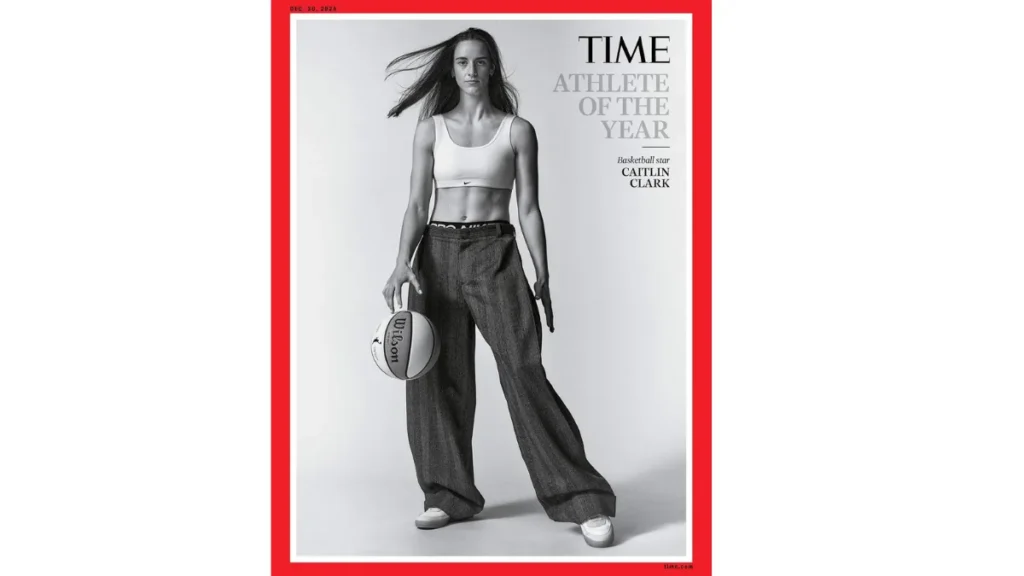
She appeared on the cover of Time magazine as Athlete of the Year. She sat front row at Milan Fashion Week alongside Olympic skier Eileen Gu. Her Nike signature deal — including a new logo, sportswear collection, and a signature sneaker debuting in 2026 — placed her in a category of athlete endorsers that very few women’s basketball players have ever occupied. Sportico estimated Clark’s off-court income at $16 million in 2025, making her one of the sixth-highest-earning female athletes in the world despite a WNBA salary that totalled just over $114,000 that season.
Politically, she became a Rorschach test. Conservative commentators tried to frame her as a symbol of meritocracy and of audiences preferring athletes who stay out of politics. Progressive critics raised legitimate questions about the structural imbalances in how women of color in the WNBA had been covered and compensated long before Clark arrived. The Forbes organization named the WNBA the fastest-growing brand in professional sports in 2024, and much of the discourse around what that growth meant — and who deserved credit for it — became a genuine, contested cultural conversation.
Clark herself navigated it all by staying stubbornly focused on basketball. Which, in its own way, was the most remarkable cultural statement of all.
What Happens to Women’s Sports If the Effect Outlasts Her Playing Career?
This is the most important question. And the most honest answer is that the structural changes already appear to be holding.
The $7 million salary cap and the new CBA exist independent of whatever happens to Clark’s career. The expansion franchises entering the league — including teams in Toronto and Portland — are arriving in a WNBA that looks fundamentally different from the one that existed before 2024. The broadcast deals being negotiated now carry the fingerprints of a league that proved it could sustain seven-figure viewership.
Even games Clark missed due to injury in 2025 still posted viewership that cracked top-ten lists on their respective networks. The 2024 WNBA Finals, played without the Fever entirely, still saw a 115% viewership increase.
The harder question is whether the league can convert casual Clark viewers into durable WNBA fans. That conversion does not happen automatically. It requires investment in storytelling, in other stars, in the kind of coverage infrastructure that the men’s game built over decades.
The WNBA pregame show alone saw a 113% increase in viewership in 2024, with more than half a million viewers watching analysis before games. That is an audience that showed up because of Clark — but that, having shown up, now knows the other players, the rivalries, and the stakes.
The Caitlin Clark Effect is, at its core, a proof of concept. It proved that women’s professional basketball, given the right spotlight and the right star at the right moment, can compete for mainstream American sports attention. It proved that the argument about the audience not being there was always more about the investment not being there. And it proved that when one player changes the economics of a league, the league has no choice but to change with her.
Whether the change sticks will depend on the franchises, the broadcasters, and the league itself. But the foundation has been poured. And it was poured in one historic, record-shattering, business-rewriting rookie season.