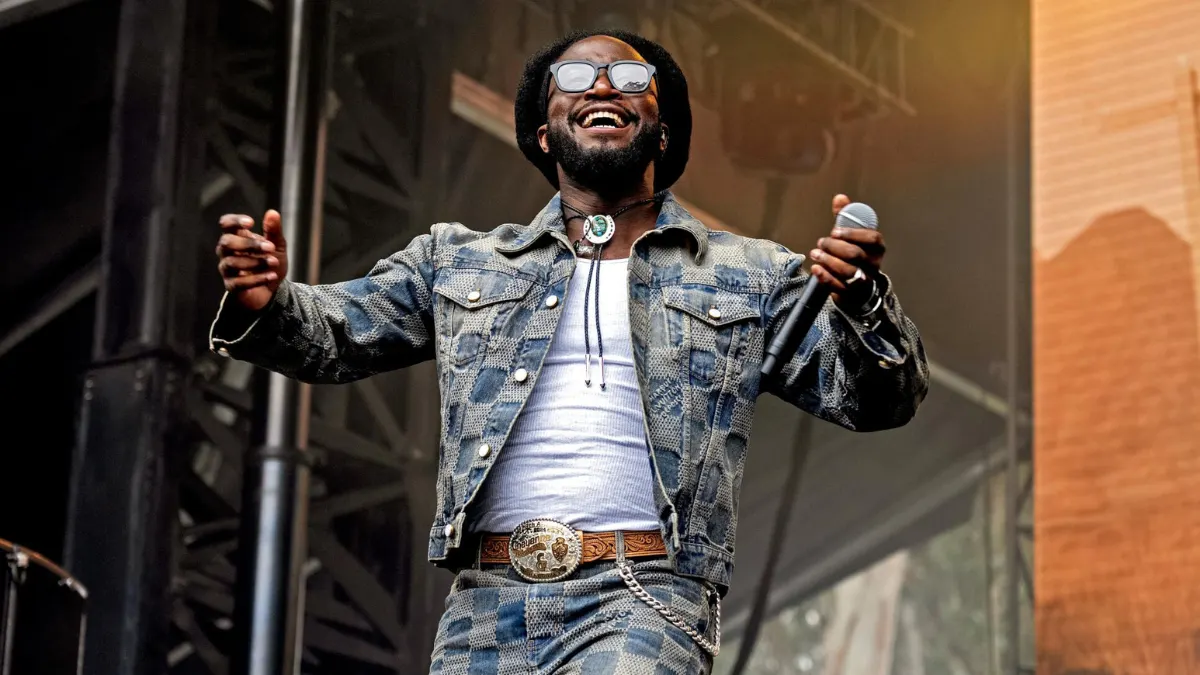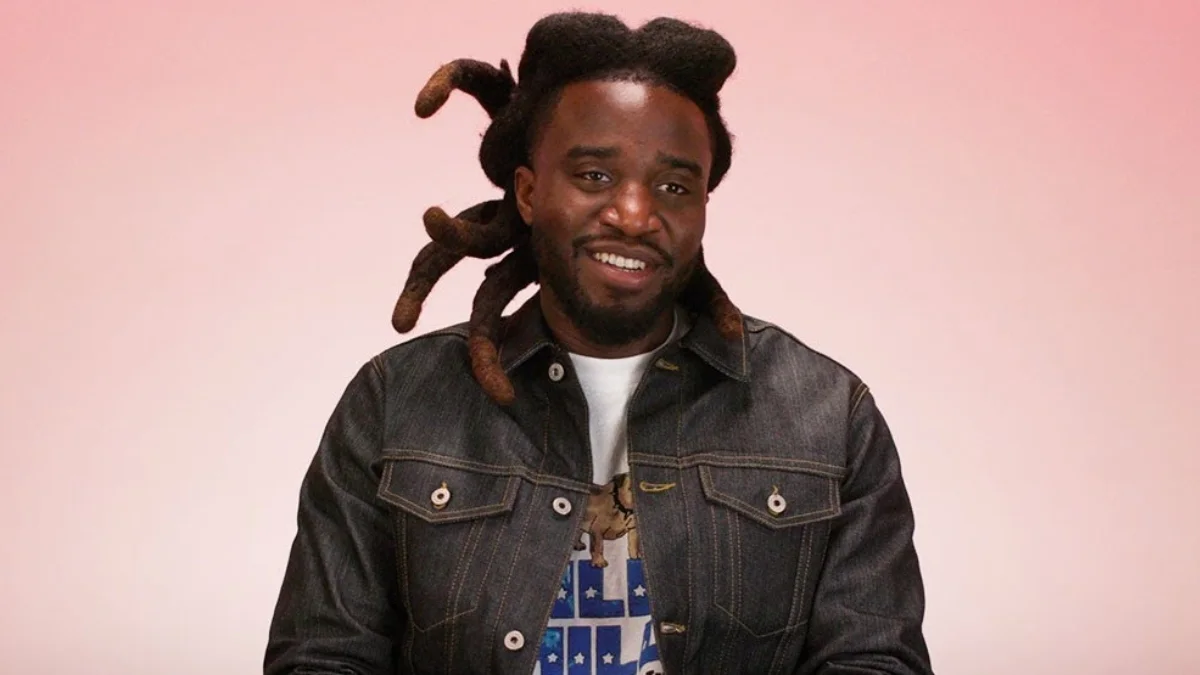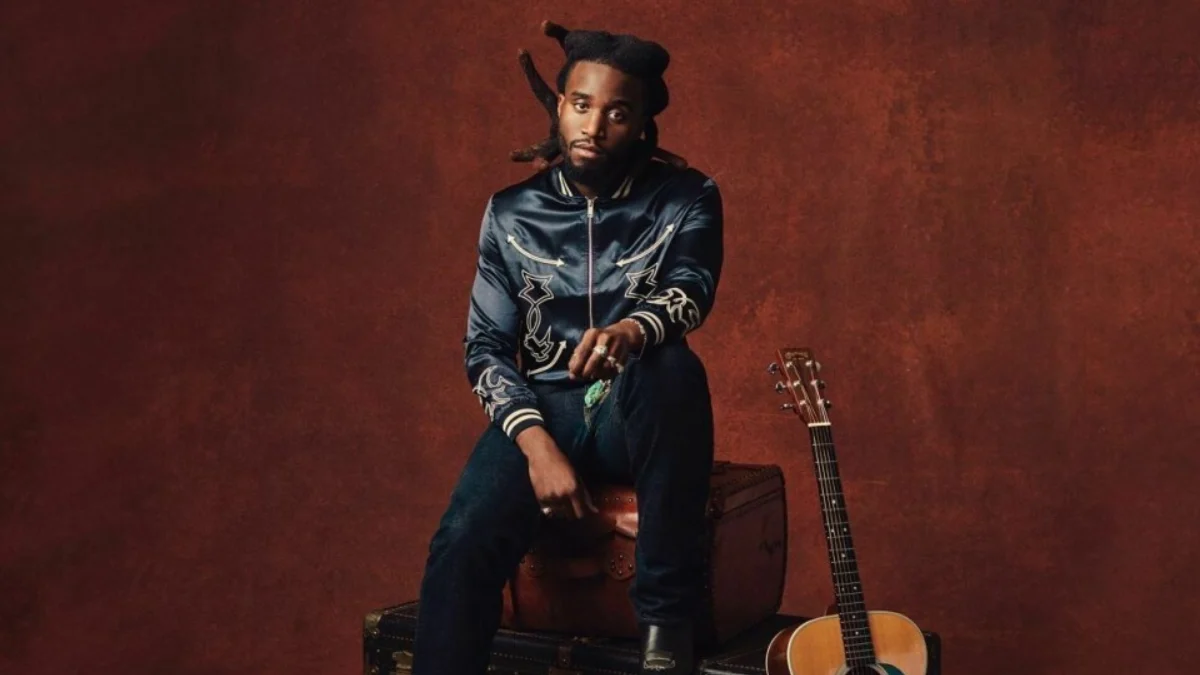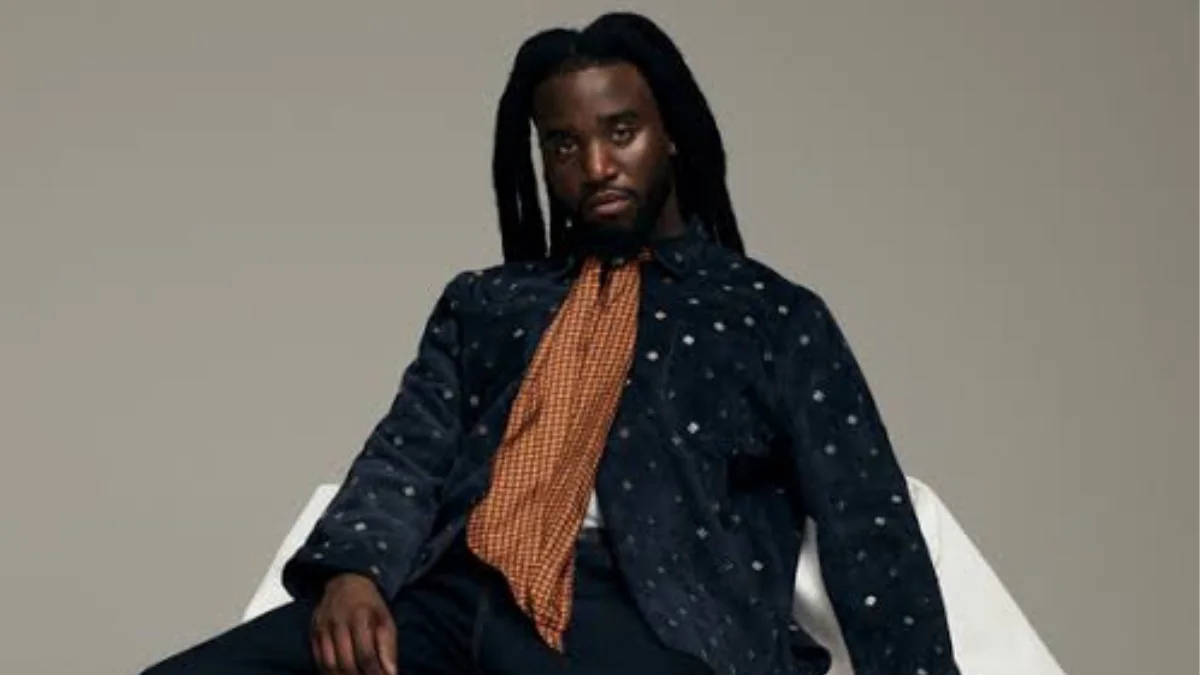
Most artists who break Billboard records are household names long before the moment arrives. Shaboozey was not. For nearly a decade, he was a quiet secret — grinding through open mics, SoundCloud drops, and underground rap circles while the mainstream looked the other way.
Then, in the summer of 2024, everything flipped. His track “A Bar Song (Tipsy)” spent 19 consecutive weeks at number one on the Billboard Hot 100, making him the first Black male country artist to achieve that milestone.
No manufactured moment, no industry co-sign from day one, no shortcut. Just ten years of a man building something so specific and so real that the world eventually had no choice but to notice.
So how does an artist go from total obscurity to rewriting country music history? The answer is a story nobody saw coming — but one that, in hindsight, makes complete sense.
Ten Years in the Game Before Anyone Paid Attention
Collins Obinna Chibueze — the man behind the Shaboozey name — was born in Woodbridge, Virginia, to Nigerian immigrant parents. He grew up between two worlds: the African household with its rich musical traditions, and the American suburbs where hip-hop, country, and rock all lived side by side on the same radio dial. That collision of sounds never confused him. It shaped him.
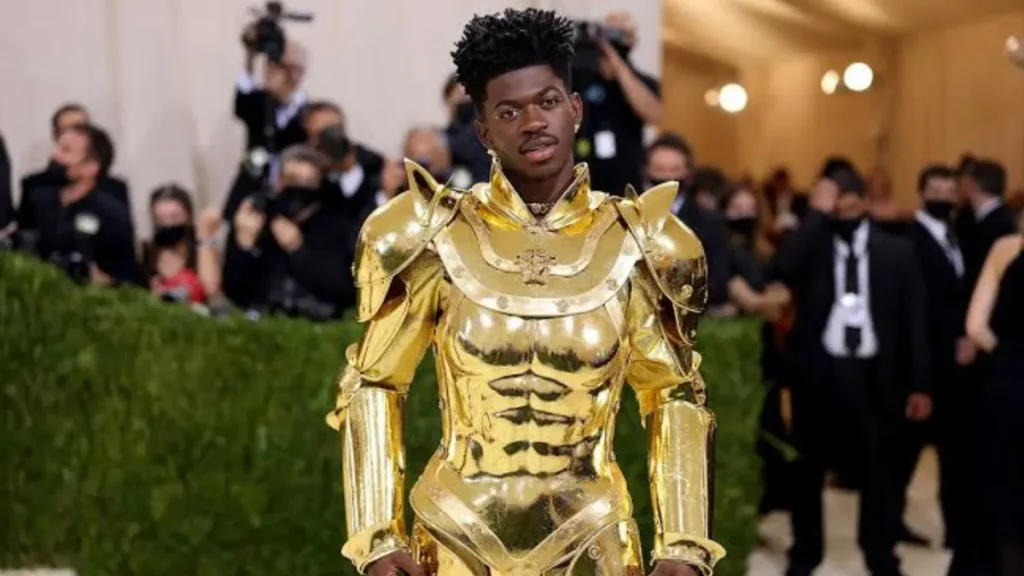
He began writing music in high school and started putting out material in the early 2010s. But while his peers chased rap trends or leaned hard into country clichés, Shaboozey was busy building something harder to categorize. He released mixtapes and EPs that drew comparisons to Lil Nas X before Lil Nas X existed as a concept. He played shows to small rooms. He posted tracks online that got modest traction and then disappeared into the algorithm.
The industry was not ignoring him out of malice. It simply did not have a shelf for what he was making. Country-trap — the fusion of Southern country storytelling with hip-hop’s rhythmic swagger and production weight — was not yet a commercially recognized genre. Shaboozey was essentially writing the rulebook for a sound that did not have a name yet.
What he had during those years was discipline. His social media presence grew slowly, his live performances got tighter, and his songwriting matured with every project. The grind was invisible to most but relentless in private.
Spider-Man, SoundCloud, and the Underground Foundation
Before the cowboy hat became his signature, Shaboozey spent years in the internet underground building a fanbase the old-fashioned way — one stream at a time.
His early SoundCloud releases revealed an artist with a rare gift for blending emotional vulnerability with physical swagger. He could write a lyric that felt like a country ballad and deliver it over a trap beat without the seam ever showing. That is genuinely difficult to do. Most artists who attempt genre fusion sound like they are simply playing dress-up in two wardrobes at once. Shaboozey sounded like the clothes were always his.
He also had an unusual relationship with visual storytelling. During this period, he worked on music for the Spider-Man animated universe, contributing to soundtracks that introduced his name to audiences who had never heard a country song in their lives. It was a clever, if understated, expansion of his reach — and it showed an instinct for meeting audiences where they are rather than waiting for them to find him.
These years built something more durable than a viral moment could have. They built a listener who already trusted him before the billboards went up.
Lady Wrangler to Cowboys Live Forever: Building the Sound
Shaboozey’s studio output during the mid-2010s and early 2020s told the story of an artist who was sharpening a very specific knife.
His project Lady Wrangler, released in 2018, became a turning point. It was raw, confident, and unapologetically cross-genre. Country guitar textures sat comfortably next to 808 basslines. His vocals shifted between melodic country crooning and hip-hop cadences in the same breath. Critics who heard it did not quite know what to do with it. That uncertainty was actually a signal that he was doing something new.
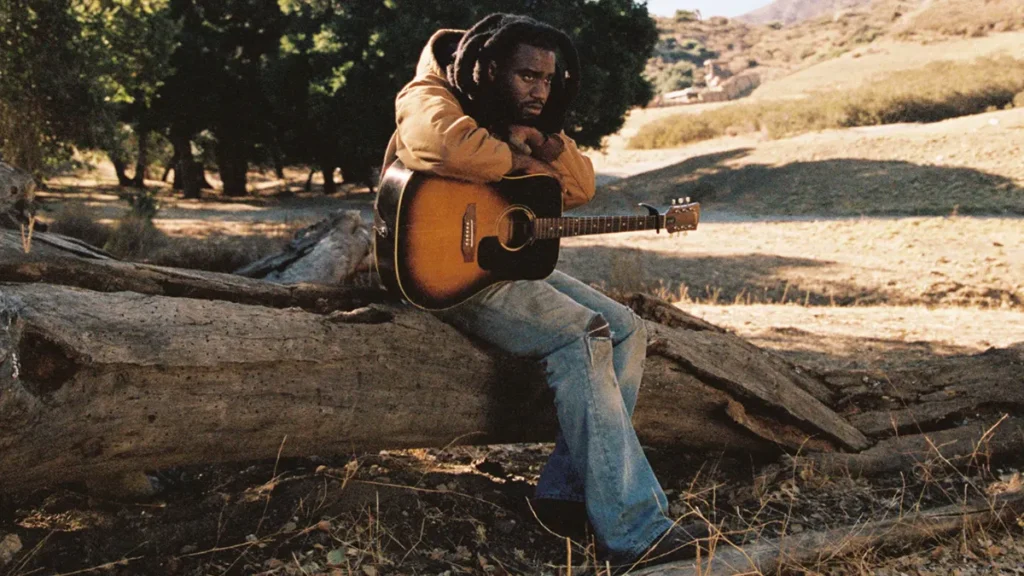
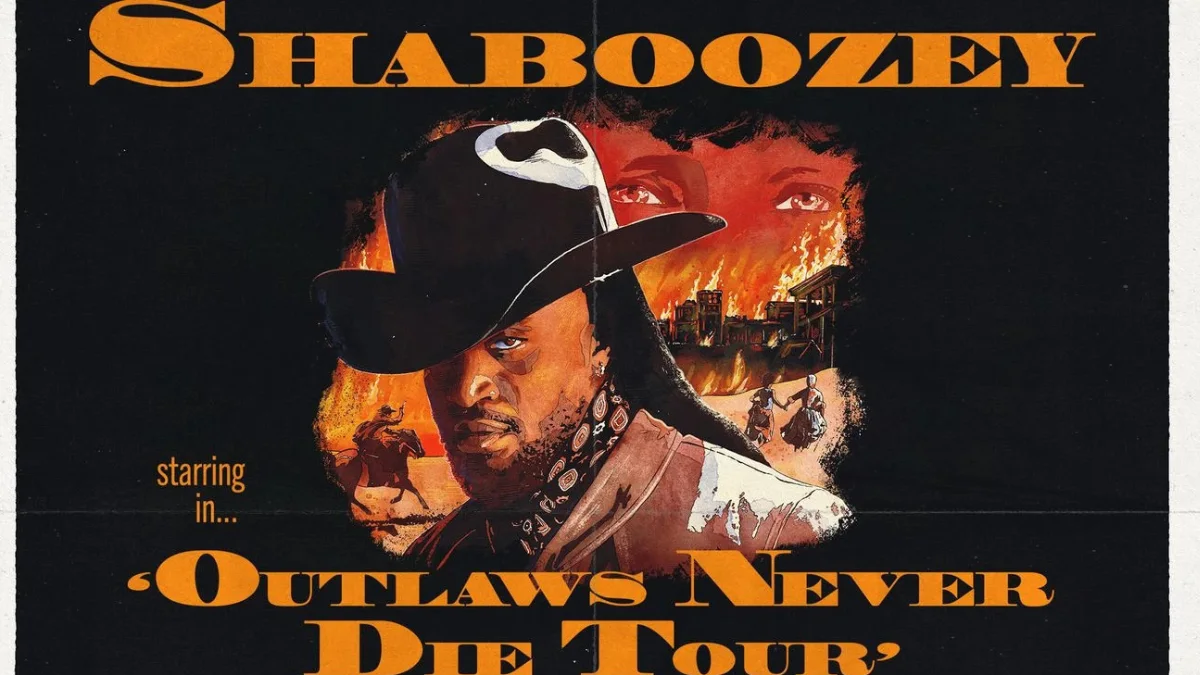
Then came Cowboys Live Forever, Outlaws Never Die in 2023. If Lady Wrangler was the proof of concept, Cowboys Live Forever was the thesis statement. The album leaned into the mythological weight of country music’s outlaw tradition while wrapping it in modern production that felt urgent and in the moment. It was not nostalgia. It was a reinterpretation.
Songs from that album began circulating in niche country and hip-hop communities online. People who would never overlap in a Venn diagram were recommending the same tracks. That is always the sign that something is working on a deeper level than surface genre appeal.
He was building an audience that defied demographic boxes. And that would matter enormously when the bigger moment arrived.
The Beyoncé Call That Opened the World’s Ears
If there is a single turning point in the Shaboozey rise to fame story, it arrived in March 2024 when Beyoncé released Cowboy Carter — her landmark country album that ignited a national conversation about who gets to own the genre and its history.
Shaboozey was featured on two tracks: “Spaghettii” and “Protector.” The placement was not an accident or a lucky coincidence. Beyoncé and her team are meticulous curators. Shaboozey was chosen because his sound was exactly what Cowboy Carter was arguing for — that country music has always had a Black voice at its roots, and that voice deserves to be heard at its center.
The feature introduced Shaboozey to tens of millions of listeners who had never encountered his name. But unlike a typical feature cameo, which fades quickly from memory, Shaboozey’s verses stopped people mid-listen. The search traffic for his name spiked. Streaming numbers on his back catalog jumped. The industry, which had not known what shelf to put him on for a decade, suddenly found itself eager to make room.
He was not a beneficiary of Beyoncé’s spotlight. He was a collaborator who was ready for it.
How “A Bar Song (Tipsy)” Became a Billboard Record-Breaker
In June 2024, Shaboozey released “A Bar Song (Tipsy)” — a country-trap anthem built around a sample of J-Kwon’s 2004 hit “Tipsy.” The song was instantly familiar and completely fresh at the same time.
The hook was undeniable. The production balanced acoustic guitar with modern rhythmic weight in a way that felt effortless. The lyrics leaned into the kind of lived-in, working-class storytelling that country music does best, while the delivery carried the confidence of hip-hop. It was the thesis of his entire career compressed into three and a half minutes.
Radio caught it fast. Country stations added it. Hip-hop stations added it. Pop stations added it. That kind of cross-format traction is extraordinarily rare and it is almost impossible to manufacture. It has to earn its way.
By late summer, “A Bar Song (Tipsy)” had spent 19 consecutive weeks at the top of the Billboard Hot 100 — surpassing records set by Lil Nas X’s “Old Town Road” for solo artist chart dominance in the country crossover space. It became the longest-running number one song by a Black male artist in country music chart history.
The record was not just a statistic. It was a statement about what happens when a decade of honest work finally connects with the audience it always deserved.
The Turning Points That Separate Shaboozey from Overnight Myths
It would be easy to call Shaboozey an overnight success. The press loves that narrative because it is simple. But the truth is more instructive.
His rise came from a series of deliberate choices that accumulated over the years. He chose to trust his gut when the industry said it did not fit. He chose collaboration over competition, landing the Beyoncé feature because his work spoke for itself. He chose patience over shortcuts, building a real catalog rather than chasing singles.
He also benefited from a cultural moment that was genuinely ready for him. The national conversation around Black artists in country music — accelerated by Beyoncé, complicated by the genre’s historical gatekeeping, and energized by a new generation of listeners who simply do not care about those gates — created an opening that Shaboozey was uniquely positioned to walk through.
But an opening only matters if you are standing at the door. Shaboozey had been standing there for ten years.
What separates him from artists who catch a viral wave and disappear is simple: the music is actually good. “A Bar Song (Tipsy)” is not a novelty. The albums before it are not placeholders. When new listeners go looking for more, they find a catalog that rewards the search.
That is the real story of Shaboozey’s rise to fame. Not luck. Not timing alone. A man who built something real in the dark and waited for the light to find it.