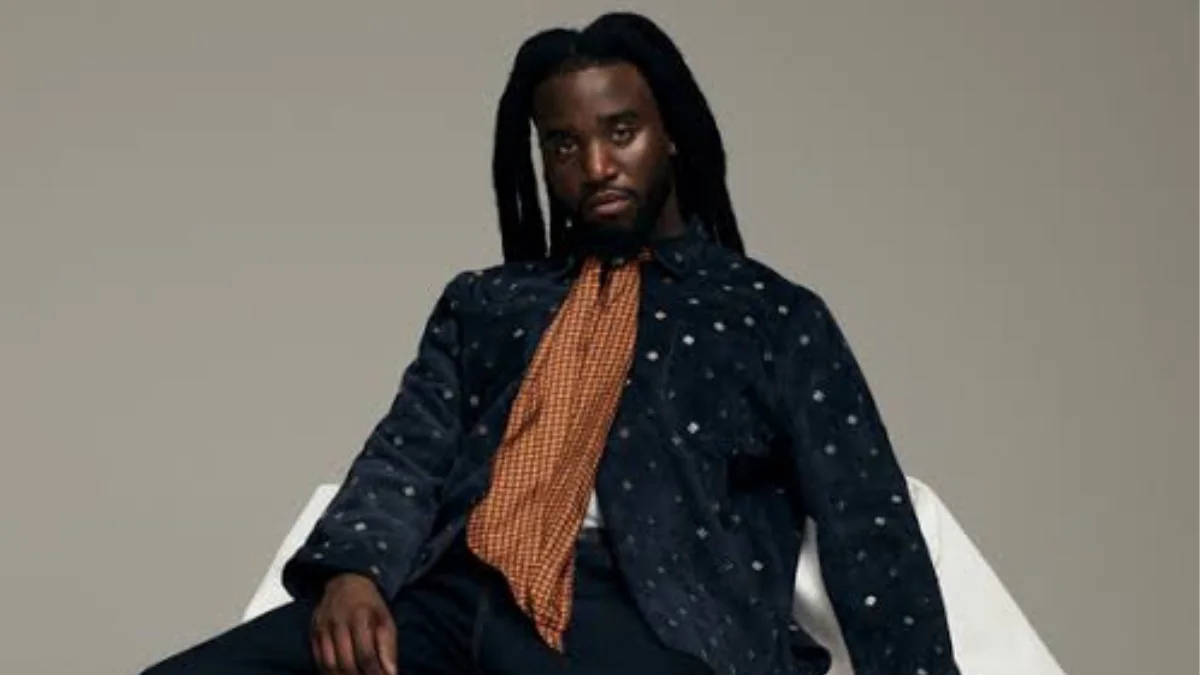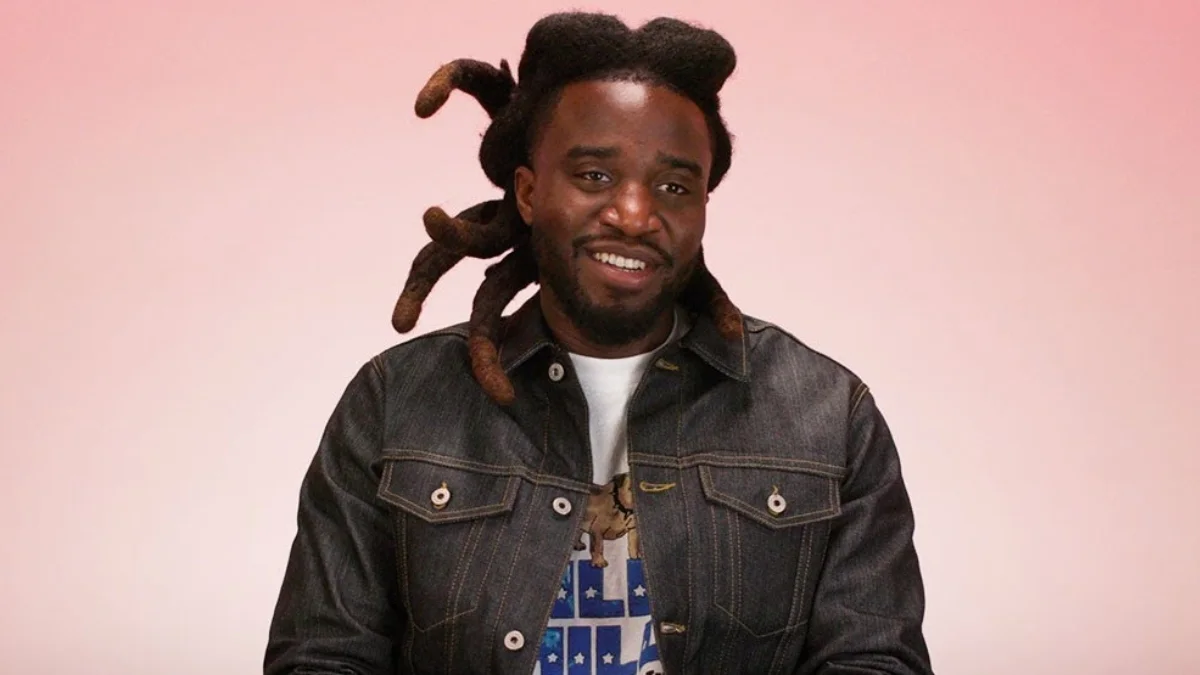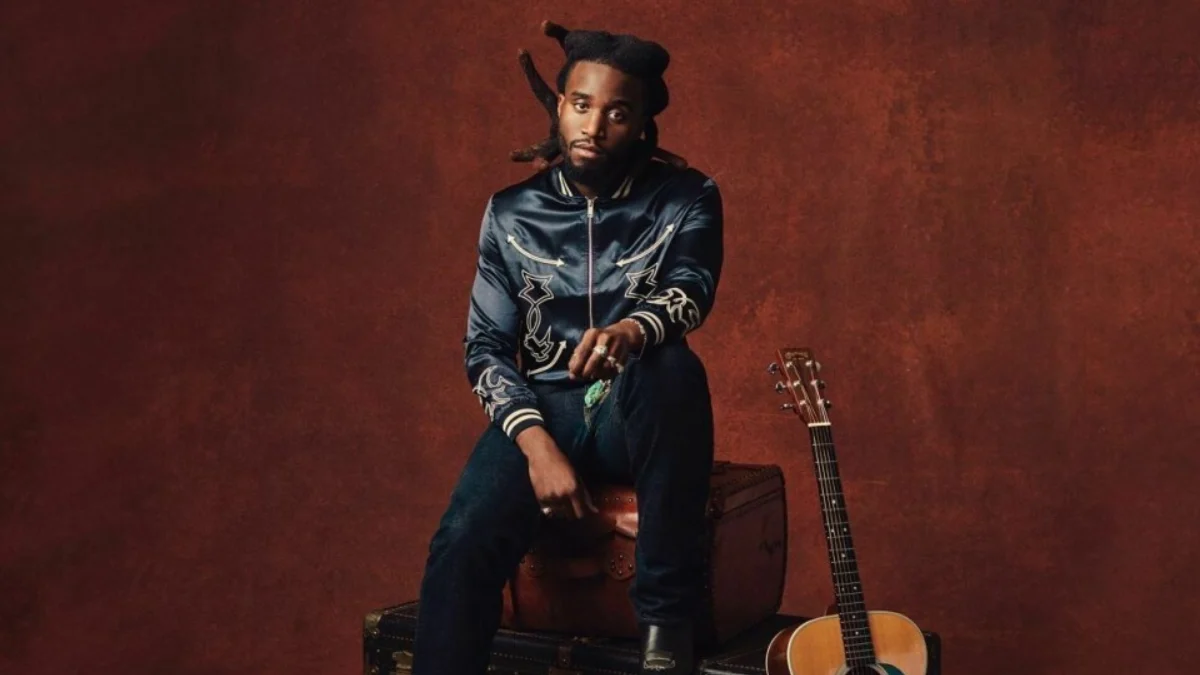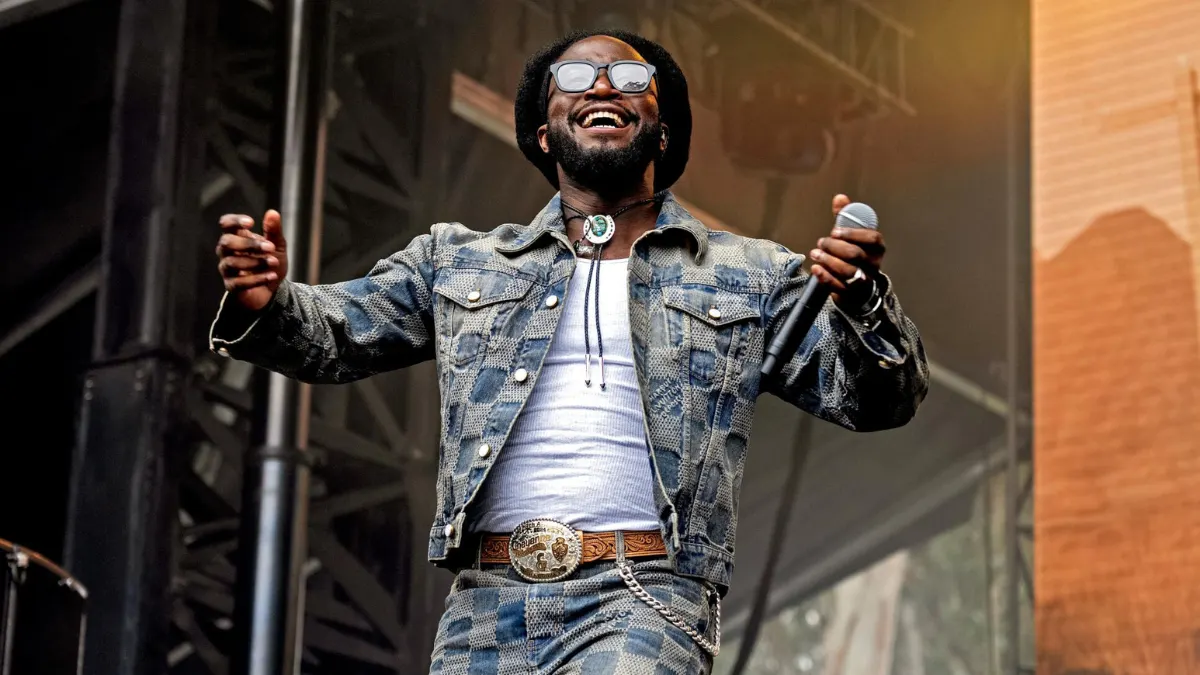
There is a moment that country music historians will likely point to for decades. In the spring of 2024, a Nigerian-American kid from Virginia — whose name came from a football coach who couldn’t pronounce his last name — dethroned Beyoncé at the top of the Hot Country Songs chart. That had never happened before.
Two Black artists holding the number one country spot in back-to-back weeks, in a genre that had spent 66 years being almost exclusively white at the top. And the man who made it happen wasn’t some overnight sensation.
He was someone the industry had quietly told “not yet” for nearly a decade. His name is Collins Obinna Chibueze. The world knows him as Shaboozey. And what he’s doing to country music right now is far bigger than any chart record.
The First Black Male Artist to Top Hot Country Songs and Hot 100
Let’s start with the numbers, because they are genuinely staggering.
A Bar Song (Tipsy)” holds the record for the longest-leading Hot 100 number one while also topping Billboard’s Hot Country Songs, Country Airplay Chart, and Mediabase/Country Aircheck charts simultaneously. That’s not one record. That’s a sweep across every major metric that measures a country song’s reach.
On the Hot Country Songs chart, it became the longest-running number one by a solo artist with 35 weeks at the top — and it set a solo record of 27 weeks atop the Radio Songs chart, too.
Shaboozey tied Lil Nas X as having the longest-running number one song of all time on the Billboard Hot 100 — matching “Old Town Road,” the song that broke country music’s gates open just five years earlier. Think about what that means. The two longest-running Hot 100 number ones in history both belong to Black men who weren’t supposed to be making country music. That is not a coincidence. That is a cultural signal.
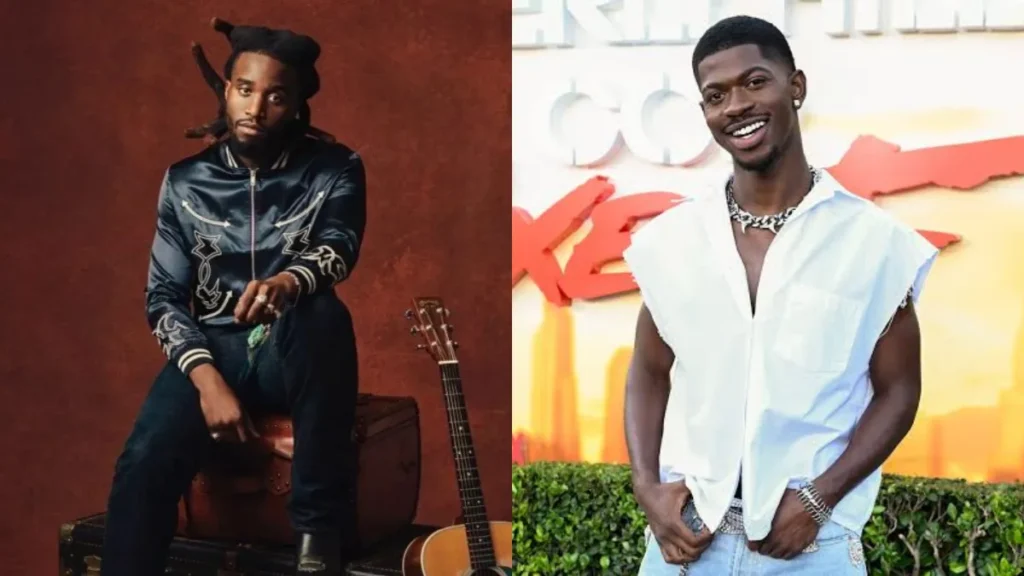
The single has accumulated over a billion streams across platforms, making history by becoming the first Black male artist to simultaneously top Billboard’s Hot Country Songs and Hot 100.
But the number that really tells the story? It was the first song ever to crack the top 10 on Pop Airplay, Country Airplay, Adult Pop, and Rhythmic charts. Country. Pop. Rhythmic. Adult Pop. All at once. No genre wall could contain it.
Nigerian-American Identity in an Overwhelmingly White Genre
Shaboozey did not stumble into country music. He was built for it in a way that almost nobody saw coming.
Born and raised in Woodbridge, Virginia, to Nigerian parents, he credits his upbringing and Nigerian-American roots for his passion for country music. His dad would go from playing Kenny Rogers and classic country songs to playing traditional Nigerian music.
That detail is important. His love for country music didn’t come from a postcard image of rural white America. It came from a Nigerian father who found something universal in it — something that spoke to hard work, land, resilience, and belonging. Shaboozey himself has spoken about seeing the mirrors between hip-hop and country, and being Black and being an outlaw: “Having to protect yourself, being forced to band together to survive.”
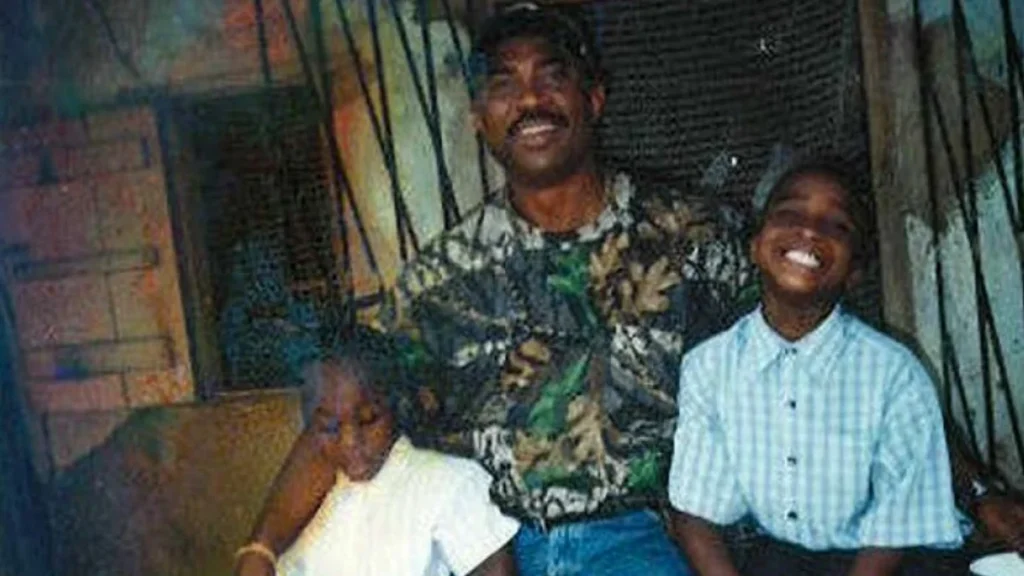
He spent time at a boarding school in Nigeria, deepening his connection to his Igbo heritage, before returning to Virginia and beginning to make music. When he tried to launch a country album in 2016, the project was shelved. Something in his head told him, “The world ain’t ready for this.”
He was right. So he pivoted. He released a more rap-adjacent debut, then spent years carefully threading country and hip-hop together across albums, building a sound that was too country for rap audiences and too rap for country radio. He speaks about being different as his greatest advantage: “I love standing out. I love that I’m different. I think it’s my superpower. I don’t like to follow the norm or trends. I feel like to be successful in today’s climate, you’ve got to be different.”
The world eventually caught up to what he already knew.
Why Beyoncé Called Him Out by Name as Her Motivation
There is something quietly extraordinary about the sentence Beyoncé wrote in a 2024 Hollywood Reporter statement.
“When you are breaking down barriers, not everyone is ready and open for a shift. But when I see Shaboozey tearing the charts up and all the beautiful female country singers flying to new heights, inspiring the world, that is exactly what motivates me.”
According to RollingStone, Beyoncé, the most decorated artist in Grammy history, said that Shaboozey’s success is what motivates her. That is a remarkable thing to say out loud.
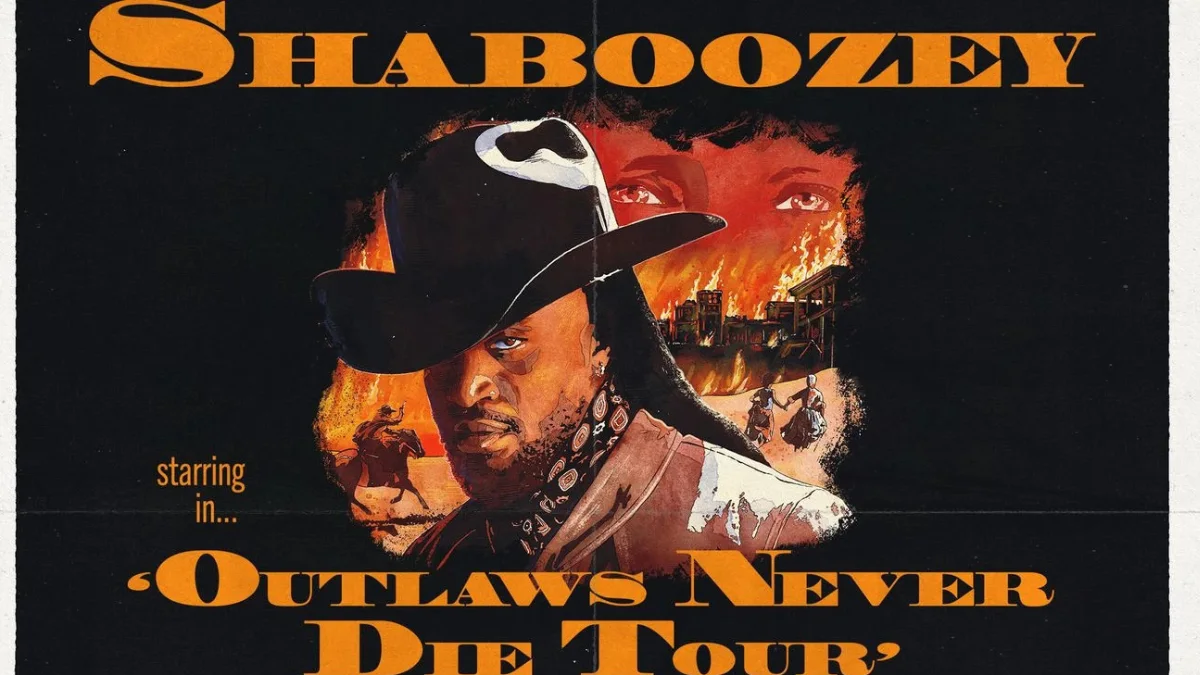
Their connection runs deeper than mutual admiration. Shaboozey is featured on two tracks on Cowboy Carter: “Spaghettii” alongside country pioneer Linda Martell, and “Sweet Honey Buckiin’.” He has described himself as making music for “the modern cowboy, the modern outlaw, the modern person who stands on their own against insurmountable odds.”
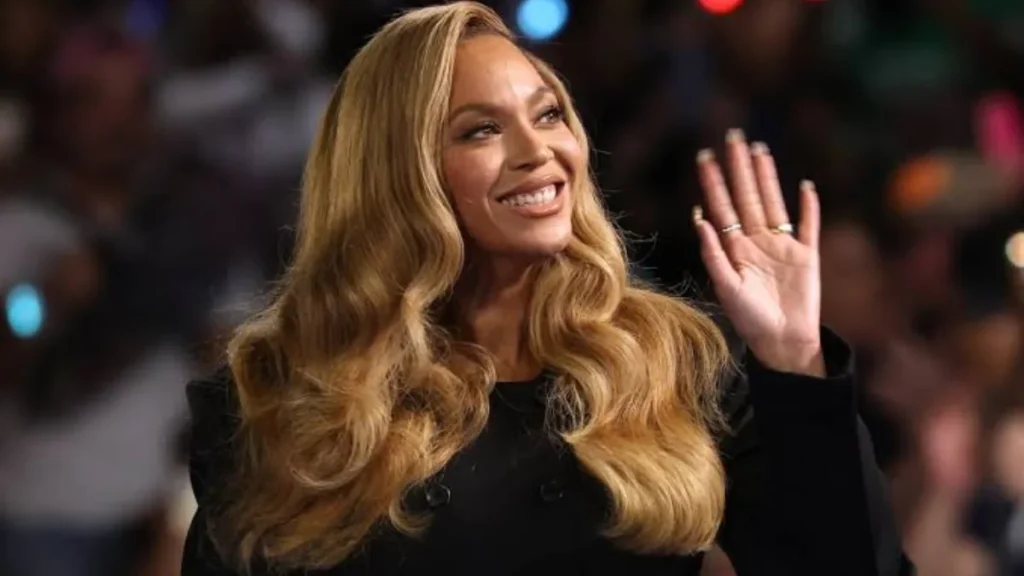
When Shaboozey’s “A Bar Song (Tipsy)” dethroned Beyoncé’s “Texas Hold ‘Em” at the top of the Hot Country Songs chart in May 2024, it marked the first time in history that two Black artists had held that slot in back-to-back weeks since the chart became an all-encompassing genre ranking in 1958. Sixty-six years. That’s how long it took.
When Cowboy Carter was completely shut out of the CMA Award nominations despite being one of the biggest country-adjacent albums of the year, Shaboozey spoke out publicly: “Thank you, Beyoncé, for opening a door for us, starting a conversation, and giving us one of the most innovative country albums of all time!”
Two artists. Two different entry points. One shared mission.
The Grammy Controversy Nobody Wanted to Name Out Loud
The 2025 Grammy Awards should have been a coronation. Five nominations. The biggest song of 2024. A record-breaking run that the entire music industry had spent months talking about.
Shaboozey went into the ceremony with five nominations, including Song of the Year, Best Country Song, and Best Country Solo Performance for “A Bar Song (Tipsy),” along with Best New Artist and Best Melodic Rap Performance for his “Spaghettii” collaboration with Beyoncé.
He won none of them.
It was the first time two Black artists had been nominated in the Best Country Solo Performance category since the category’s creation in 2012. And yet, the song that had spent 19 weeks at number one on the Hot 100 — tying the record — left empty-handed.
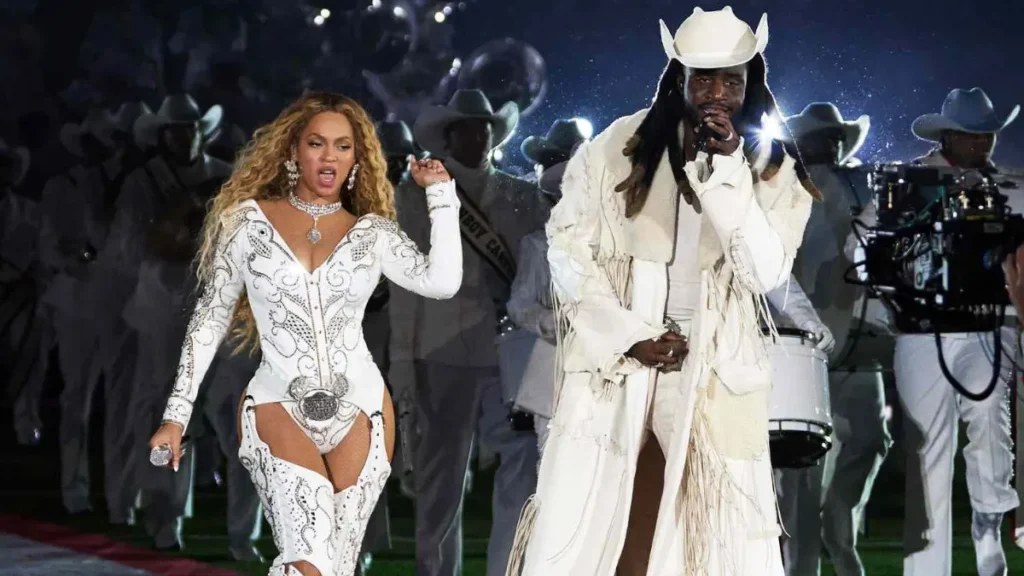
The CMA Awards had already raised eyebrows. Despite Shaboozey having the longest-running country hit in modern history, the CMA Awards snubbed Beyoncé entirely, and there was a possible on-stage dig at Shaboozey, who failed to win any awards despite his enormous crossover hit.
Analysts noted that if it weren’t for Beyoncé and Shaboozey, country music would have been mostly locked out of the Grammy’s main four categories entirely. Two Black artists were single-handedly carrying country music into the mainstream conversation — and the institutions built to celebrate that genre were slow to recognize it.
The question the industry has struggled to answer: is this about genre purity, or something else entirely?
Country-Trap: Legitimate Genre Shift or Industry Label?
Critics love to label what Shaboozey makes as a novelty — a hip-hop artist dabbling in country, or a country crossover experiment. That framing misses the point entirely.
Shaboozey’s story is one of a decade-long commitment — he began making genre-blending music in 2014, long before it was commercially viable, and spent years building a catalogue that fused country, Americana, and hip-hop into something genuinely his own.
His 2024 breakthrough single is not a rap song with a guitar. It interpolates J-Kwon’s 2004 hip-hop classic “Tipsy,” but gives it a fresh, relatable country twist — instead of an exclusive club, the song captures the everyday escape of hitting the local bar after a tough day. He described it as sounding happy on the surface but carrying a “sad” undertone about using drinks to cope with life’s pressures.
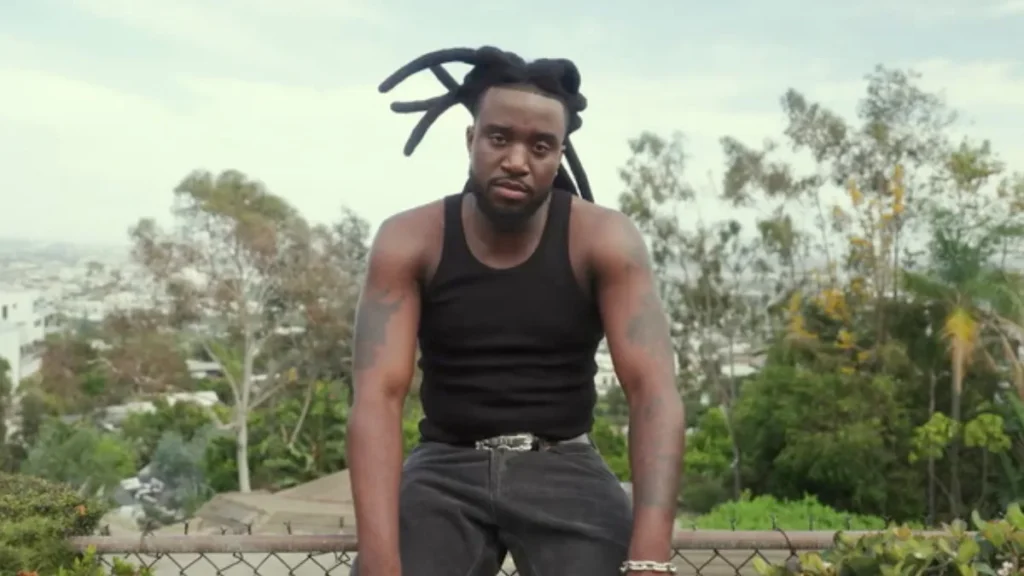
That is country music songwriting. Full stop.
The broader ecosystem reflects this. Artists like Willie Jones, Tanner Adell, Kane Brown, Brittney Spencer, and RVSHVD are emerging as key figures in a new wave of Black country artists, bringing innovative sounds and perspectives to the genre — not as outsiders borrowing something, but as contributors building something new from within.
The Recording Academy itself responded to the cultural shift by introducing new Grammy category changes, signaling that the industry recognizes that country music is no longer one sound or one story.
The Artists Shaboozey Is Clearing a Path For
What Shaboozey represents is not just personal triumph. It’s a proof of concept for an entire generation of artists who have been told, in subtle and not-so-subtle ways, that country music wasn’t theirs to claim.
Born Collins Obinna Chibueze — a name that means “God is king” in Igbo — he took a football coach’s mispronunciation of his surname and turned it into a stage name and an identity. That detail is almost too perfect. His entire career has been about taking something that was handed to him sideways and reshaping it into something powerful.
He sees the parallels between West African culture and American Americana as a feature, not a contradiction — drawing connections between the rural and agrarian lifestyles of Virginia and Nigeria, finding shared storytelling traditions across both worlds.
Behind him, the door is now wider open. Willie Jones, Tanner Adell, Brittney Spencer, Reyna Roberts — Beyoncé’s Cowboy Carter specifically shone a spotlight on rising Black acts in the country genre, creating a moment that many of these artists have said changed the trajectory of their careers.
Country music has historically pushed Black artists to assimilate to white cultural norms to find success. Charley Pride, the genre’s first Black superstar, navigated that pressure for decades. Shaboozey is navigating it differently — not by sanding down his identity, but by making his identity the product.
He is not trying to sound like Nashville. He’s making Nashville sound like him.
That is the shift. That is what all the chart records and Grammy snubs and CMA controversies are really about. Not streaming numbers. Not format categories. Not whether a song has a steel guitar or a trap beat.
It’s about who gets to tell stories in American music, and who gets to own the genre those stories belong to.
Shaboozey’s answer — lived out across a decade of quiet work and now a global hit — is simple: everyone who has something true to say.