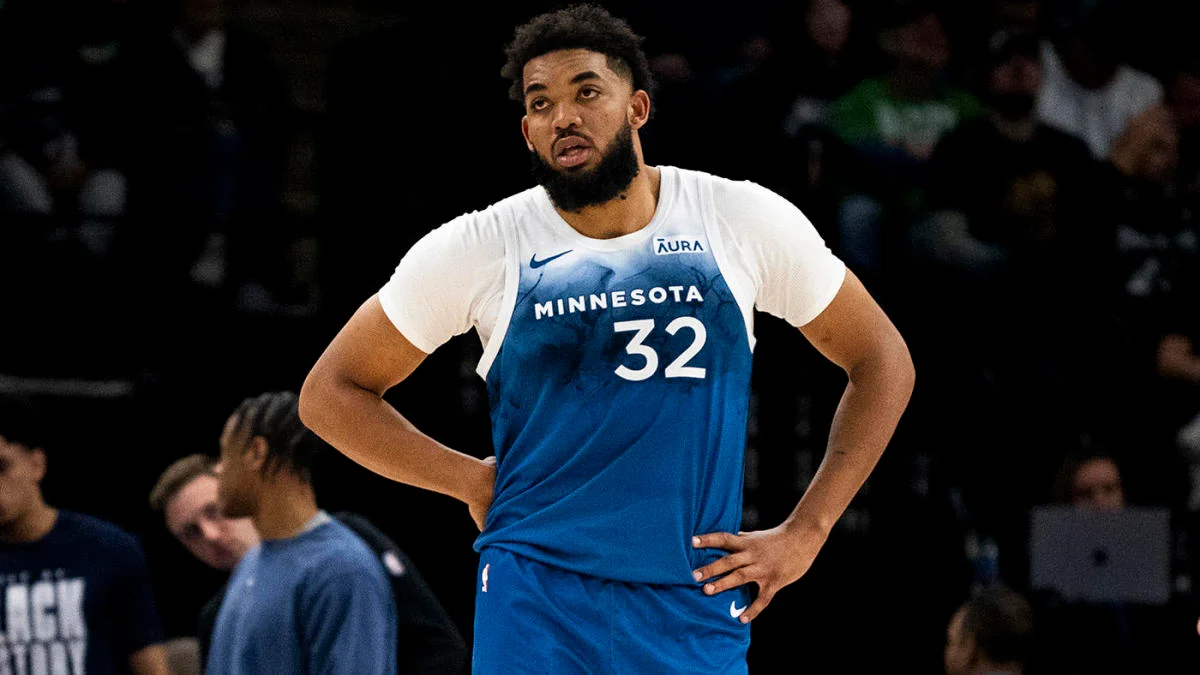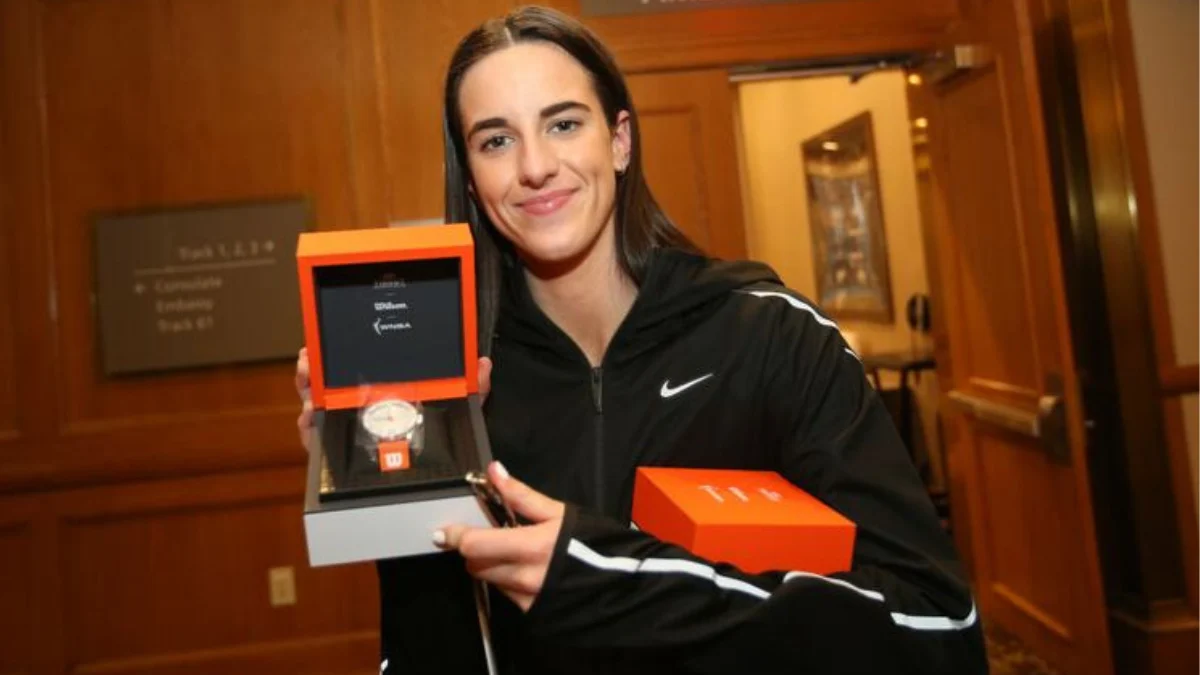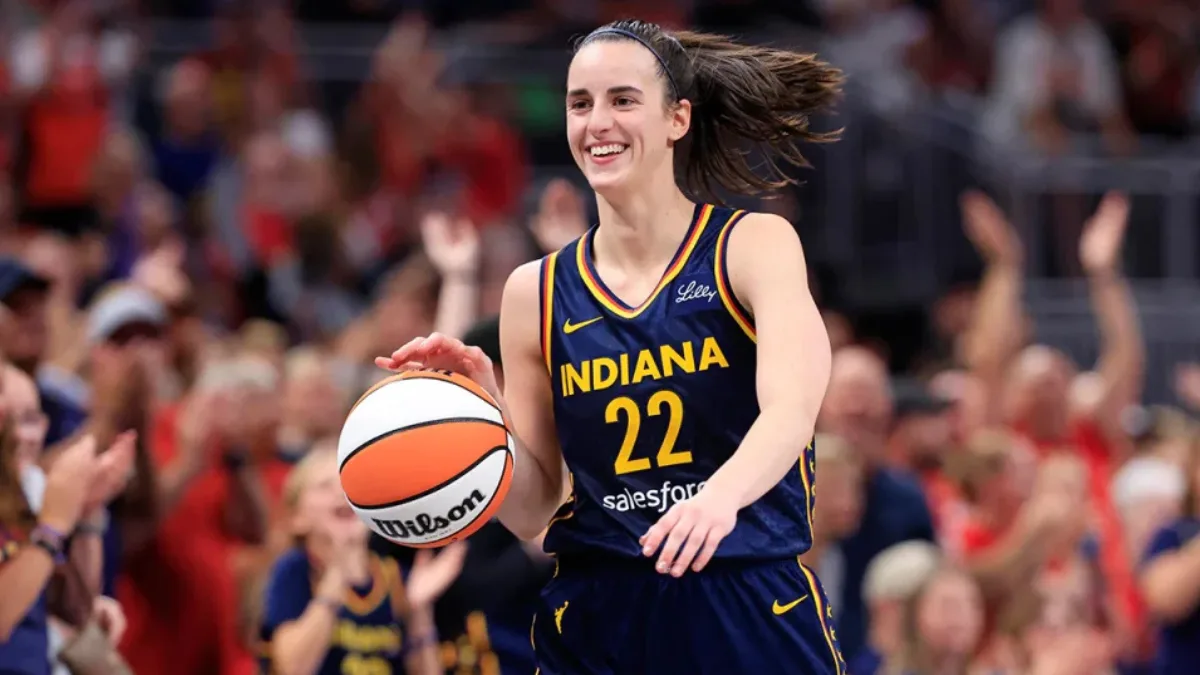
Caitlin Clark made $78,066 playing basketball last year. She made $16.1 million doing everything else.
The 23-year-old Indiana Fever guard has become one of the most commercially powerful athletes on the planet, building a brand empire that has made her WNBA salary look like a rounding error.
But here’s where things get genuinely fascinating — the gap is finally starting to close. A historic new Collective Bargaining Agreement, a landmark Nike signature shoe launch, and a salary trajectory that could push her past $1.7 million by 2028 mean the Caitlin Clark net worth story is only just getting started.
So what is she actually worth right now? And where does this all go from here? Let’s break it down properly.
What Is Caitlin Clark Actually Worth Right Now?
As of 2026, Caitlin Clark’s estimated net worth is widely reported to be between $10 million and $20 million, with sources like Sportskeeda suggesting it may be around $20 million.
The wide range comes from one key uncertainty: the full value of her endorsement contracts is not publicly disclosed. What is confirmed is that her 2025 endorsement income alone reached $16.1 million, according to Sportico. That figure made her one of the highest-earning female athletes on earth, full stop.
Her WNBA salary, by sharp contrast, was $78,066 in 2025. That’s not a typo. The player who single-handedly drove WNBA viewership to record levels, sold out arenas across the country, and turned the Indiana Fever into a prime-time television event took home less from her league contract than many entry-level office jobs pay. Her on-court salary represented roughly 0.5 percent of her total earnings last year.
That imbalance is about to shift — dramatically.
Breaking Down Her WNBA Salary Under the New CBA
In March 2026, the WNBA and its players’ union reached an agreement on a new Collective Bargaining Agreement that fundamentally reshaped what players can earn. For Clark, the immediate impact is enormous.
Her base WNBA salary jumped from $78,066 in 2025 to $528,846 in 2026, as per SBJ. That is not a modest raise. That is a 577 percent increase in a single season. The Fever also exercised their team option to keep her under contract through the 2027 season at $597,596.
The new CBA also introduced something called the EPIC provision — short for Exceptional Performance on Initial Contract. It is, as one outlet described it, a rule that sounds like it came from a Marvel movie, and for players like Clark, it is nearly as powerful.
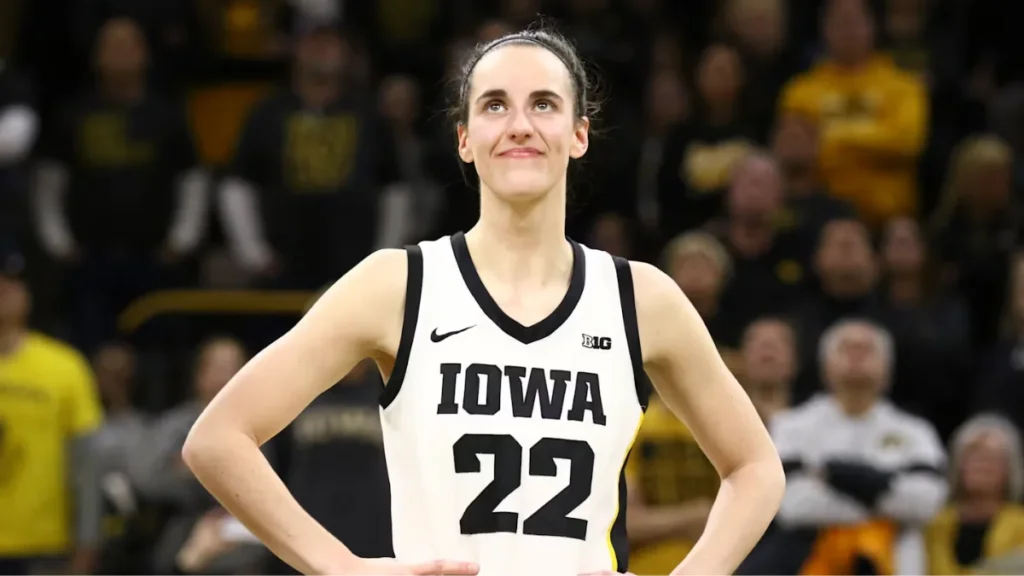
EPIC allows players who earned an All-WNBA First or Second Team selection in their first three seasons to renegotiate their fourth-year salary and sign a long-term max extension. Clark earned her All-WNBA First Team nod as a rookie in 2024, which means she is already eligible. Under the projected figures, she could command a max salary of $1.3 million in 2027 through the EPIC route alone.
There is also a supermax tier. If Clark wins MVP at any point during her first three seasons, she becomes eligible for the supermax, currently projected at $1.7 million for 2028. And under the new CBA’s revenue-sharing model, the top salary could scale even further, with some projections placing the maximum at $2.4 million by 2032, depending on league revenue growth.
Even if she never wins MVP, the floor of her WNBA earning potential has been completely transformed.
The Endorsement Machine: Every Major Brand Deal She Holds
Here is where the real money lives.
Clark’s endorsement portfolio in 2026 reads like a who ‘s-who of America’s biggest brands. Nike, Gatorade, State Farm, Wilson, Hy-Vee, Xfinity, Gainbridge, Lilly, and Panini all have active deals with her. Her total commercial value across all partnerships is now estimated at $100 million, according to one analysis, making her the highest-valued female basketball player in endorsement history.
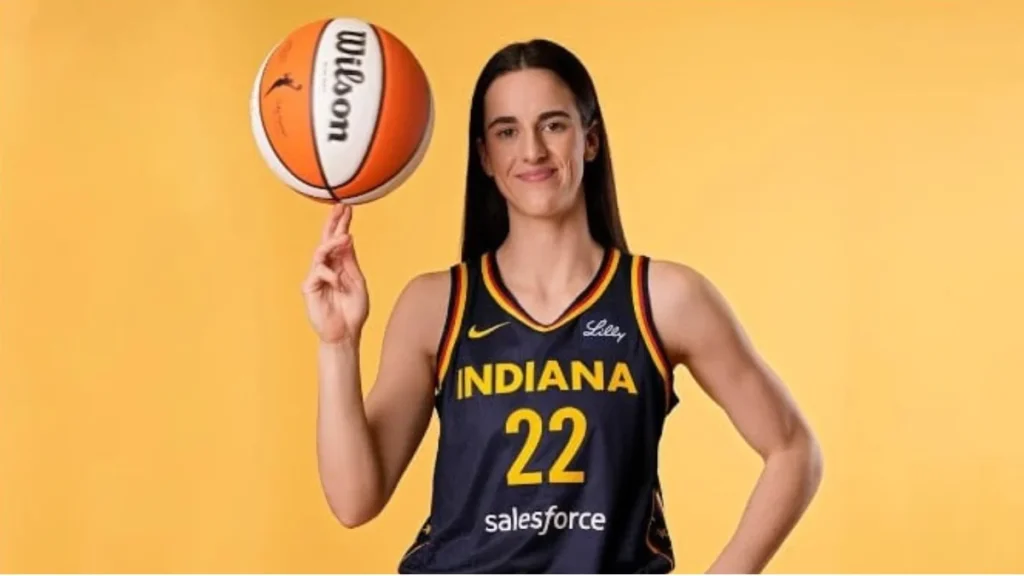
Gatorade’s deal is particularly notable. Reported as a $50 million partnership, it has positioned Clark as the brand’s primary anchor across sports. She even successfully advocated for the return of the classic “Rain Berry” flavor as part of the deal. State Farm, Xfinity, and Gainbridge add further lifestyle and financial services coverage to her portfolio. Panini America handles her trading card licensing. Lilly, the pharmaceutical giant, adds a unique dimension that few athletes have explored.
The result is a brand matrix that touches sports, health, technology, insurance, and consumer goods simultaneously. She is not just an athlete appearing in commercials. She is a central pillar across multiple major corporate marketing strategies at once.
Nike, Wilson, and the Deals That Made Her Rich Before the League Did
Two specific deals define the architecture of Clark’s wealth more than any others.
The Nike partnership, signed in April 2024, just after she was drafted first overall, is an eight-year agreement worth $28 million, according to Reuters. That works out to approximately $3.5 million annually, making it the most lucrative sponsorship contract ever signed by a women’s basketball player at the time. It includes a signature logo, a full apparel line, and most importantly, her own signature shoe.
The Nike Caitlin 1 is set to drop in late 2026, with a September release date rumored and a price point of $140. Sneaker industry insiders have projected it could become a $100 million business for Nike. For context, she joins A’ja Wilson and Sabrina Ionescu as the only active WNBA players with Nike signature sneakers — an extraordinarily exclusive group.
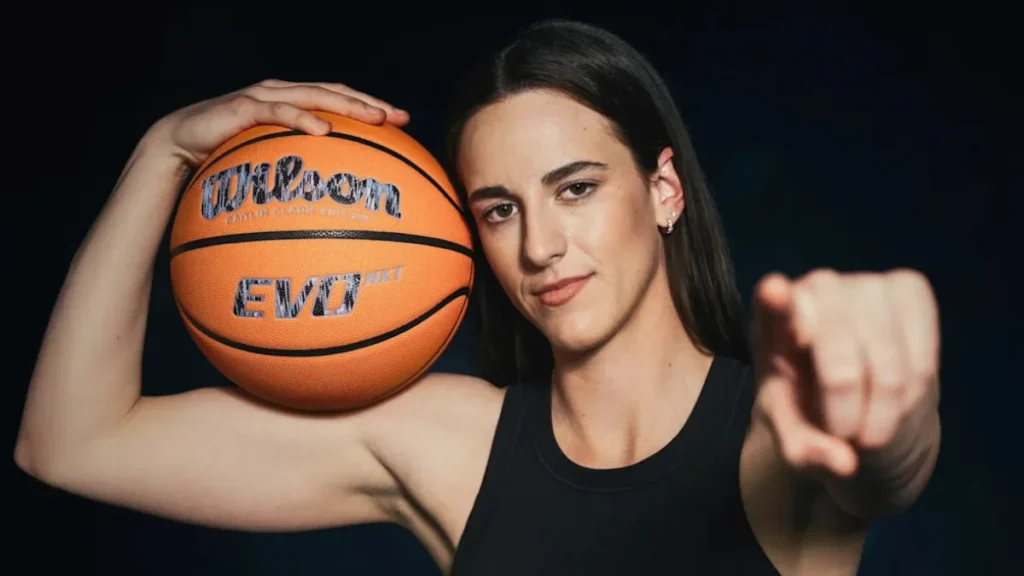
The Wilson deal is arguably just as significant from a legacy standpoint. Clark is the first athlete since Michael Jordan to receive her own signature line of basketballs from Wilson. The “Limitless Series” ranges from a $22 entry-level ball to a $125 premium game ball, and the $39.99 Ascent model has already become a top seller at Dick’s Sporting Goods.
The strategic logic behind this is powerful: by putting a branded ball in the hands of kids on playgrounds across the country, Wilson is embedding Clark’s name into the physical hardware of the sport itself.
How the 2026 WNBA CBA Changed Her Trajectory
Before the new CBA, the WNBA’s pay structure essentially meant that even the league’s biggest star had almost no way to earn significant on-court money until she had completed a full four-year rookie contract. The previous supermax salary was $249,244. That figure was the ceiling.
Under the new agreement, the salary cap jumped from $1.5 million in 2025 to $7 million in 2026. Minimum salaries now range from $270,000 to $300,000, depending on years of service. The supermax starting point is now $1.4 million and scales with revenue.
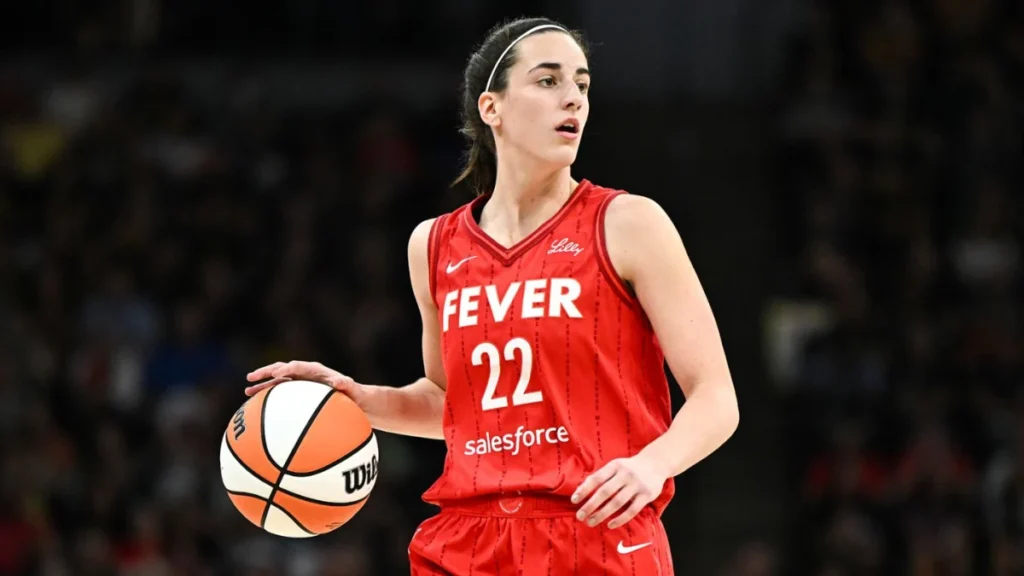
For Clark specifically, the math of her career has changed completely. The new CBA also brought charter air travel, upgraded facilities, enhanced maternity provisions, and improved retirement contributions — structural changes that make the league more viable as a long-term career destination rather than a part-time gig supplemented by overseas contracts.
The EPIC clause, in particular, is a direct acknowledgment from both the league and the union that generational talents were being badly undercompensated on their initial deals. Clark was the most obvious example of this problem. The fix, at least for her immediate future, is now baked into the rules.
The Supermax Path: What Clark Could Earn in 2027 and 2028
The clearest trajectory for Clark’s WNBA earnings looks like this: $528,846 in 2026, then $597,596 via her exercised team option in 2027 at minimum. However, if she triggers the EPIC provision, that 2027 figure becomes a max deal worth a projected $1.3 million.
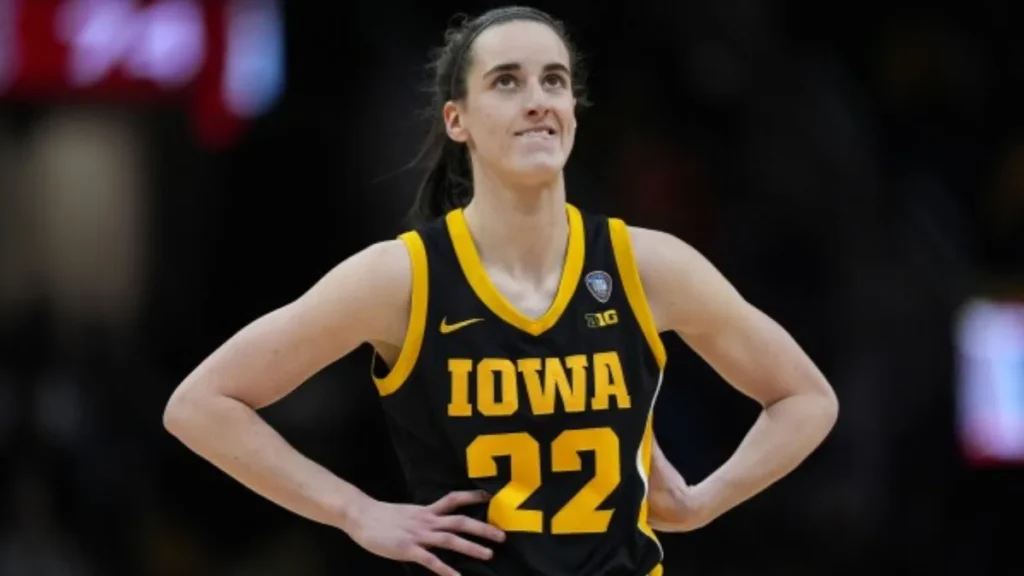
Then comes 2028. If she wins MVP in 2026 or 2027, she becomes eligible for the supermax extension projected at $1.7 million per year. The Indiana Fever’s front office has already shown every signal of wanting to lock her up long-term, having exercised her option without hesitation.
It is worth pausing on these numbers for perspective. Stephen Curry earns $59.6 million this NBA season. Even at $1.7 million, Clark would be earning roughly 2.8 percent of what her male counterpart makes. The structural gap between men’s and women’s basketball pay remains vast. But the direction of travel has changed decisively, and Clark is the central figure in that shift.
Off-Court Ventures: Appearances, Golf, and Growing Business Interests
Beyond the headline sponsorships, Clark has steadily built an off-court presence that extends her brand into new territories.
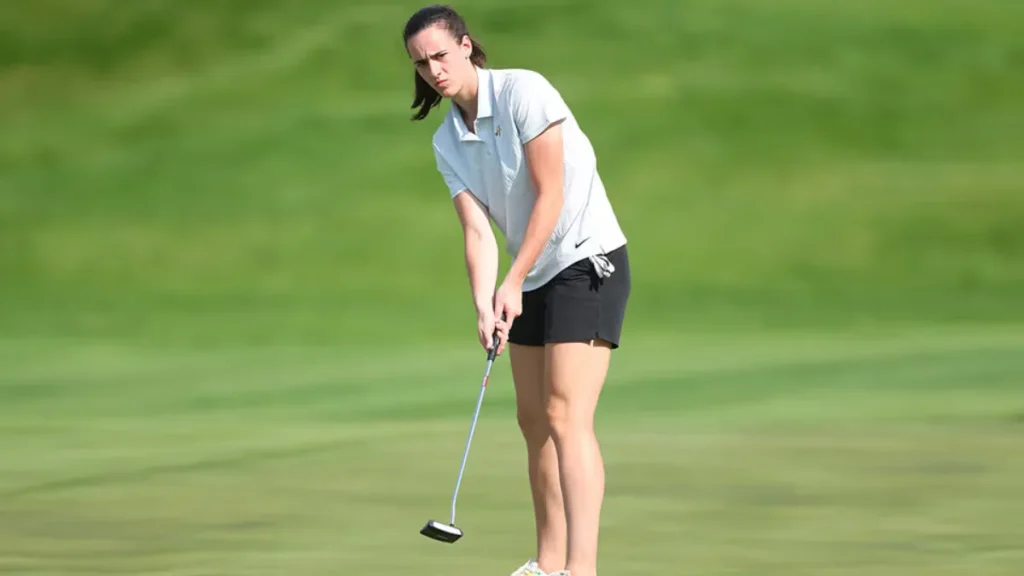
Her appearances at pro-am golf events, including the Annika Pro-Am at Pelican Golf Club, have positioned her comfortably in the crossover sports world that sponsors love. She has spoken openly about preparing for the 2026 FIBA Women’s Basketball World Cup and targeting the 2028 Olympics, both of which will generate additional commercial windows.
The WNBA also has a Player Marketing Agreement program that can pay up to $250,000 to players serving as league brand ambassadors. Clark is precisely the kind of player those agreements are designed for.
Her social media presence and media appearances — including a recurring rapport with Jason and Travis Kelce that produced a Nike commercial and multiple podcast appearances — have created a genuine pop culture crossover that keeps her visible well beyond the traditional sports audience. That visibility is not accidental. It is a carefully maintained asset that makes every sponsorship renewal and new deal negotiation go in her favor.
How Her Earnings Compare to the Rest of the WNBA’s Top Stars
In the context of women’s basketball, Clark’s financial position is without parallel at her age.
Sabrina Ionescu, considered the league’s previous commercial face, has an estimated net worth of $10 million built over several more years of professional play. Her endorsement portfolio includes Nike, AT&T, Beats by Dre, Xbox, Body Armor, and State Farm. Clark has already matched or exceeded that total in roughly two professional seasons.
A’ja Wilson has her own Nike signature shoe and is widely regarded as the best player in the league. Her commercial profile is substantial. But Clark’s total endorsement income in 2025 alone exceeded what most WNBA players earn across entire careers.
The highest-paid player in the WNBA by base salary in 2026 is Kelsey Mitchell of the Indiana Fever at $249,244. Clark’s new base of $528,846 under the adjusted CBA scale places her in an entirely different bracket. And that is before a single endorsement dollar is counted.
What makes Clark’s financial story genuinely remarkable is not just the scale of what she has earned. It is how quickly she has earned it, and how much runway she still has ahead of her. She is 23 years old. The Nike shoe hasn’t even dropped yet. The Olympics are two years away. The supermax hasn’t been signed. By any reasonable projection, Caitlin Clark in 2026 is not the peak of this story. She is still in the opening chapter.