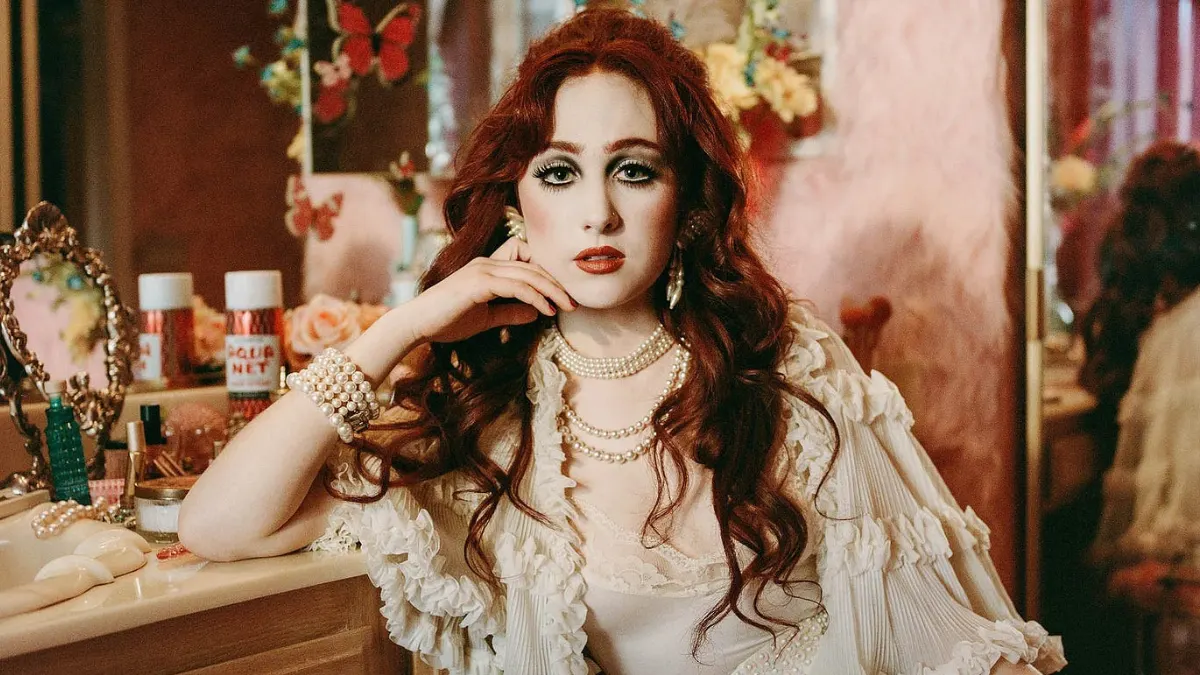
Chappell Roan was 22 years old, freshly dropped by her record label, without health insurance, working a drive-through window in Willard, Missouri, and wondering if the last five years of her life had been a spectacular mistake.
Nobody in that small conservative town of 6,000 people would have guessed that the girl handing out orders through the window would one day sell out amphitheatres across three continents, collect a Grammy on global television, and become one of the most culturally significant pop artists of her generation.
That is the story of Kayleigh Rose Amstutz — better known to the world as Chappell Roan. From a depressed, restless teenager in the Bible Belt to a Grammy-winning, $12 million net-worth pop icon, hers is one of the most dramatic stories of reinvention in modern music.
This is the full Chappell Roan biography — every chapter, every setback, and every moment that made her impossible to ignore.
Quick Facts: The Numbers Behind Chappell Roan’s Rapid Rise
| Field | Details |
| Full Name | Kayleigh Rose Amstutz |
| Stage Name | Chappell Roan |
| Date of Birth | February 19, 1998 |
| Age (2026) | 28 |
| Hometown | Willard, Missouri |
| Current City | Los Angeles, California |
| Height | Approx. 5’2″ (157 cm) |
| Net Worth (2026) | $12 million |
| Grammy Wins | 1 — Best New Artist (67th Grammy Awards, February 2, 2025) |
| 2026 Grammy Nominations | Record of the Year and Best Pop Solo Performance (“The Subway”) |
| Debut Album | The Rise and Fall of a Midwest Princess (September 2023) |
| Record Label | Amusement Records / Island Records |
| Producer | Dan Nigro |
| Signature Songs | “Good Luck, Babe!”, “Pink Pony Club”, “Hot to Go!”, “The Giver”, “The Subway” |
| Spotify Streams | 6.4+ billion combined (as of early 2026) |
| “Good Luck, Babe!” Streams | 1.9 billion+ on Spotify alone |
| Post-Grammy Booking Rate | $150,000–$200,000 per show |
| Brand Deals | MAC Cosmetics (global ambassador, December 2025), Fortnite (February 2026) |
The Small-Town Missouri Girl Who Refused to Stay Small
Willard, Missouri, is not the kind of place that typically produces pop icons. It is a small, tightly-knit suburb of Springfield, sitting in the heart of the Bible Belt, where church attendance is expected, conformity is comfortable, and being loudly, visibly different tends to cost you something.
Kayleigh Rose Amstutz was born there on February 19, 1998, the oldest of four children. Her mother, Kara, was a veterinarian. Her father, Dwight, was a retired Naval Reservist who also helped manage the family’s veterinary practice. By all outward appearances, it was a stable, respectable upbringing. Underneath that surface, a very different story was unfolding.
She attended church three times a week. She spent summers at Christian camps. And she felt, as she would later put it to Call Her Daddy host Alex Cooper, completely and utterly trapped. “Young Kayleigh just felt so restricted,” she said. “I was a problem child and so angry and so depressed. I just felt like no one understood me.”
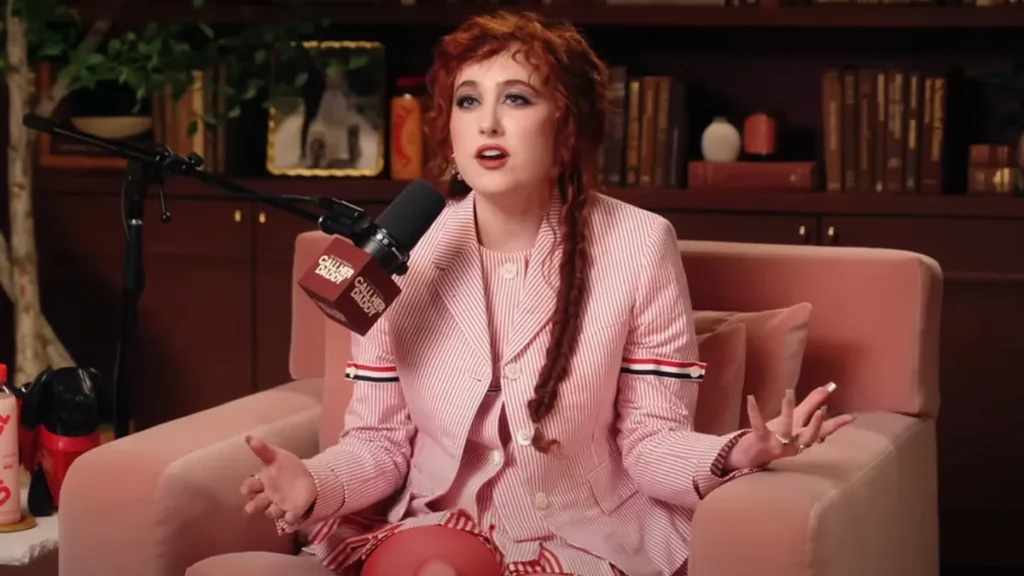
What nobody around her understood yet — and what she herself was still figuring out — was that she was a queer girl in one of the least queer-friendly environments imaginable, with a mind that ran far faster and louder than her surroundings could contain. She was later diagnosed with bipolar II disorder at age 22, a diagnosis that reframed much of her chaotic childhood as something far deeper than teenage rebellion.
Music became the one place where the noise made sense. She took piano lessons, joined her school choir, started uploading cover songs to YouTube around age fourteen, and performed around Springfield from 2012 onward. Then came the moment that changed everything: a summer at the Interlochen Centre for the Arts in Michigan, where she wrote an original song called “Die Young” and uploaded it under her birth name. Record labels noticed. Within months, the teenager from Willard had a meeting with Atlantic Records in New York.
She graduated a year early from Willard High School, missing her own prom and graduation ceremony. She was already gone — both physically and mentally — before she even had the diploma in hand.
How a Record Deal at 17 Almost Ended Before It Began
In May 2015, at seventeen years old, Kayleigh Amstutz signed with Atlantic Records. She moved to Los Angeles in a matter of weeks. It was overwhelming, isolating, and nothing like she had imagined.
But before she boarded that plane, she made one decision that would define everything that came after. Her grandfather, Dennis Chappell, was dying of cancer at the time of the signing. She chose to name herself after him. His favourite song was “The Strawberry Roan,” a classic Western ballad. And so, Chappell Roan was born — a name that carries grief, love, and heritage in its very syllables.
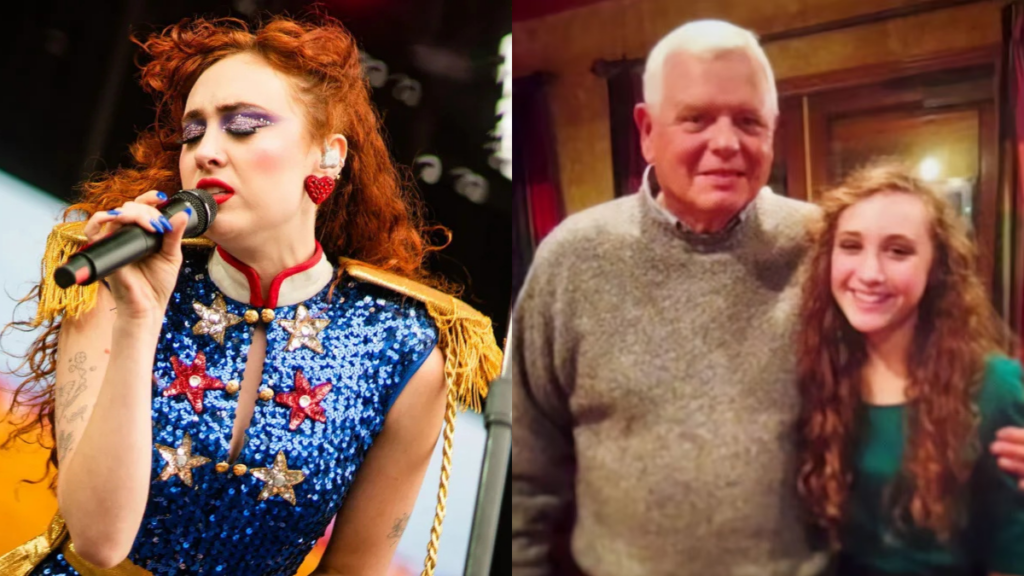
Her first single, “Good Hurt,” arrived in 2016. Her debut EP, School Nights, followed in 2017. The music was polished, melancholic, and almost entirely disconnected from the fiery queer pop artist she would eventually become. Atlantic was shaping her into something safer, something more radio-friendly, and it was slowly hollowing her out.
For three years, she released music that felt like someone else’s vision. The commercial traction never came. And in 2020, in the middle of a global pandemic, Atlantic Records dropped her. No farewell, no safety net, no health insurance.
She moved back to Missouri. She worked at a drive-through. She worked as a barista in Los Angeles when she returned. She worked at a donut shop. And somewhere between shifts, she kept writing — not because the industry had given her a reason to, but because she had no idea how to stop.
The Quiet Rebuild That Set the Stage for Everything
The next chapter of the Chappell Roan biography is the one that most people miss, because it did not make headlines at the time. It was quiet, unglamorous, and essential.
In early 2021, Olivia Rodrigo’s “Drivers License” became a phenomenon, and it pulled producer Dan Nigro — the collaborator Roan had connected with during her Atlantic years — fully into Rodrigo’s orbit. Roan was left without her creative anchor. She briefly moved back to Missouri and worked at a drive-through while continuing to write independently.
By March 2022, two things happened that set the rest of her story in motion. She signed a publishing deal with Sony Music. And she reunited with Nigro to release “Naked in Manhattan,” her first single as a truly independent artist. It was different. It was queer, direct, and unafraid. It was also the first time she sounded like herself.
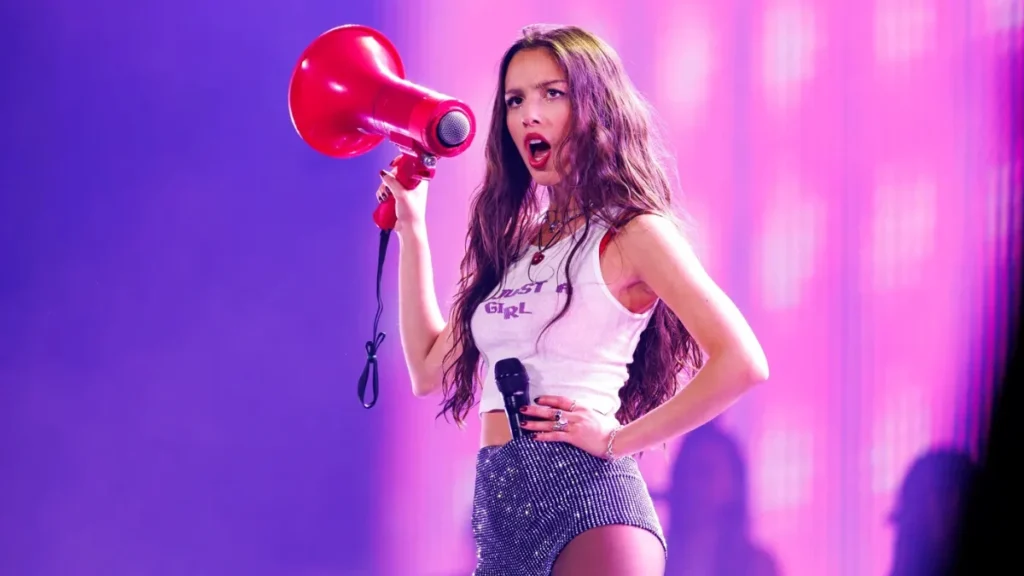
That same year, she was selected to open for Olivia Rodrigo’s SOUR Tour. It was the break she needed — not a record deal or a radio push, but a live stage in front of thousands of people who were already primed to love exactly the kind of pop she was making.
She also signed with Amusement Records, a joint venture with Island Records, in 2022. And she had already released “Pink Pony Club” back in 2020, a sprawling, ecstatic queer anthem inspired by her first visit to a gay bar in West Hollywood. The song built slowly, then became a cult classic. It was the first time her voice matched her vision.
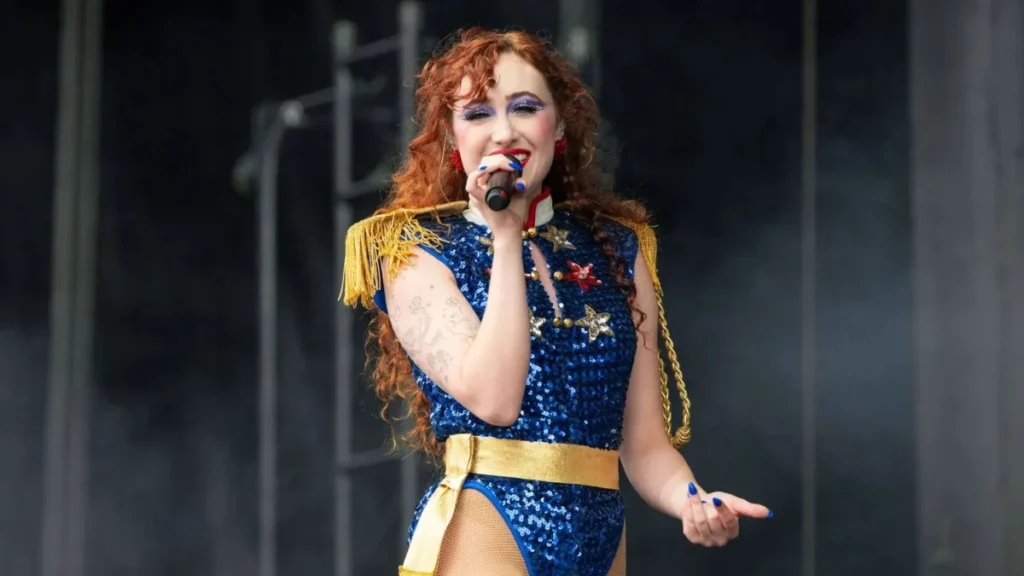
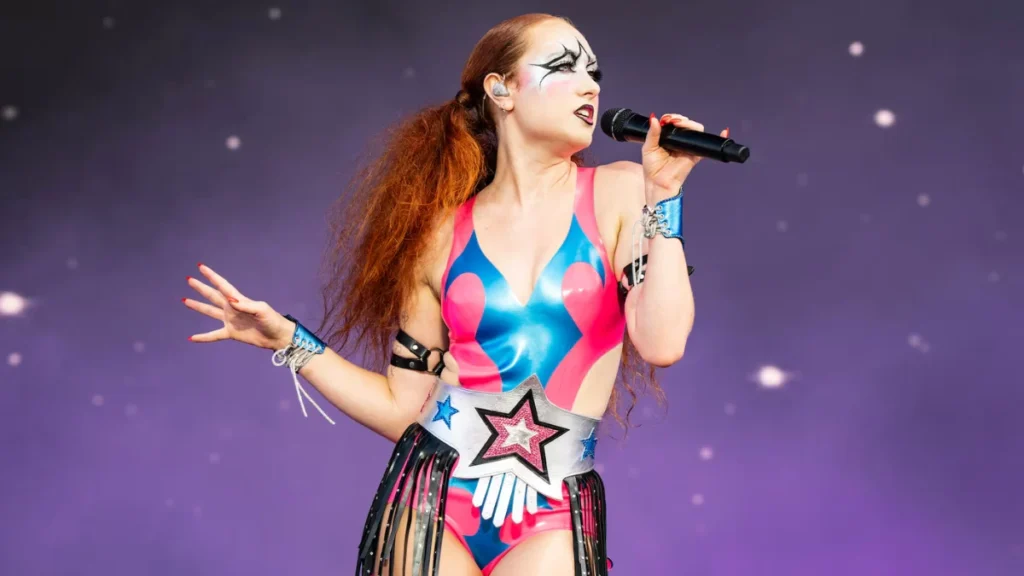
The drag-inspired reinvention was accelerating. The theatrical costuming, the vivid stage makeup, the larger-than-life persona — all of it was coming together. Chappell Roan, the character, was emerging, and she was nothing like Kayleigh from Willard. Or rather, she was everything Kayleigh from Willard had always needed to be.
The Rise and Fall of a Midwest Princess — And the Album That Changed Everything
In September 2023, Roan released her debut studio album, The Rise and Fall of a Midwest Princess. At the time, it did what most debut albums do — it arrived, gathered warm reviews, and settled into a relatively modest commercial reality. It was not an overnight explosion. It was something more interesting than that.
Then TikTok happened.
From late 2023 into 2024, clips of her live performances, elaborate costumes, and magnetic stage presence went viral with the kind of organic momentum that cannot be manufactured. Fans were discovering the album backwards — falling in love with “Hot to Go!”, then “Red Wine Supernova”, then the whole record, then everything she had ever released. The album began its slow climb toward becoming a genuine cultural moment.
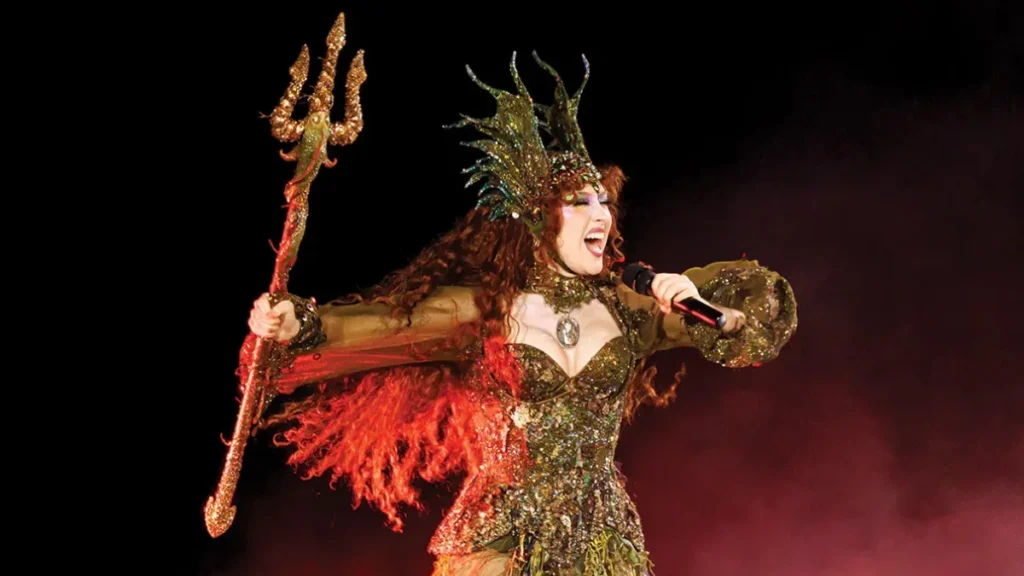
In April 2024, “Good Luck, Babe!” arrived as a standalone single, and everything shifted into a different gear entirely. The song, a breakup anthem wrapped in irresistibly slick synth-pop production, peaked at number four on the Billboard Hot 100. It became an international top-five hit. It pushed the album to a peak of number two on the Billboard 200 and number one in the United Kingdom. In October 2024, she hit number one on the Billboard Artist 100 for the first time.
She performed at the 2024 MTV Video Music Awards in September, winning Best New Artist and dedicating the trophy to queer and trans people. She appeared as the musical guest on Saturday Night Live in November 2024. She performed at the Governor’s Ball festival dressed as the Statue of Liberty, painted entirely green, and told the crowd that the inscription on the statue’s base was a statement about transgender rights, women’s rights, and freedom for every oppressed person.
She had grown from 200-person club shows to sold-out amphitheatres in under two years. It is a timeline that the music industry still does not entirely have a framework for.
Grammy Night and the Speech That Stopped the Room
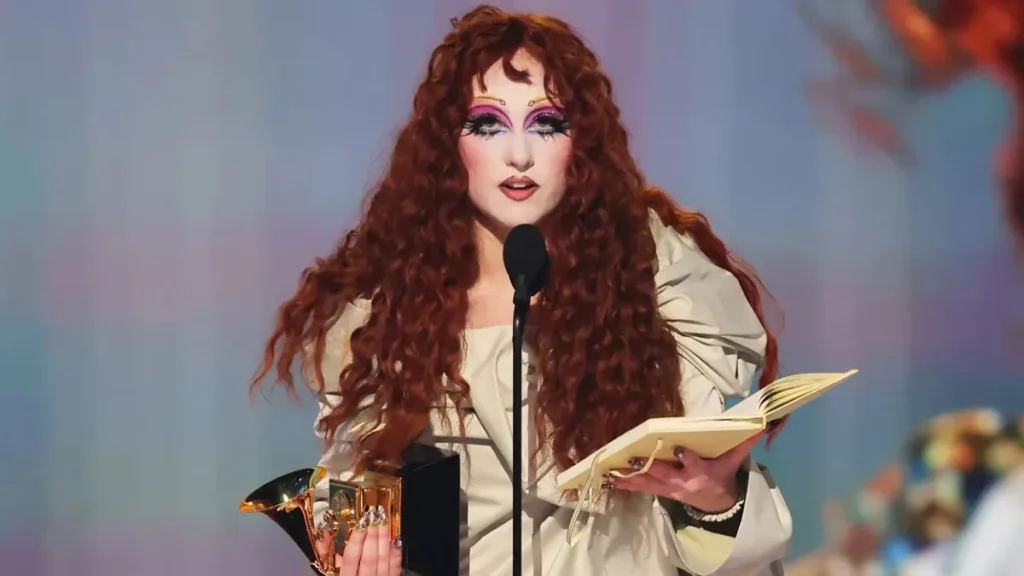
On February 2, 2025, at the 67th Grammy Awards, Chappell Roan won the Grammy for Best New Artist.
She had been nominated in six categories total, including Album of the Year and Record of the Year. Winning Best New Artist was the one that landed differently. Not just because she won, but because of what she said when she did.
She stood at the podium and called on record labels to provide artists with a living wage and healthcare. She spoke about being dropped as a minor, without health insurance, while having no financial safety net. She was not gracious in the performative Hollywood sense. She was honest, specific, and pointed in a way that made the room uncomfortable and the internet explode.
Former music executive Jeff Rabhan responded with an essay in The Hollywood Reporter dismissing her speech as naive. Roan responded by challenging him publicly to match a $25,000 donation to artists experiencing financial hardship. It was not a PR move. It was entirely consistent with who she had always been.
The Grammy win had immediate financial consequences as well. Her per-show booking fee, which had sat around $50,000 before the ceremony, tripled overnight to between $150,000 and $200,000. A single award reshaped the economic reality of her career.
The Artistic Vision Behind the Drag-Inspired Persona
To understand Chappell Roan’s artistry, you have to understand the distinction she draws between herself and her stage name — a distinction she has compared directly to Hannah Montana.
Kayleigh Amstutz is, by her own description, introverted, anxious, and deeply private. Chappell Roan is theatrical, fearless, hypersexual in her presentation, and built to command 70,000 people at a festival. The two coexist, but they are not the same person.
The name came from her grandfather, Dennis Chappell, who died of cancer around the time she was first signed. “Roan” was borrowed from his favourite song, “The Strawberry Roan.” It was a tribute and a transformation in one gesture.
The aesthetic came from drag culture — specifically from the queer spaces she discovered in Los Angeles after leaving Missouri. The elaborate costuming, the theatrical makeup, the camp sensibility that refuses to be anything other than enormous — all of it draws directly from drag performance as an art form, from the tradition of excess as political statement and creative freedom.
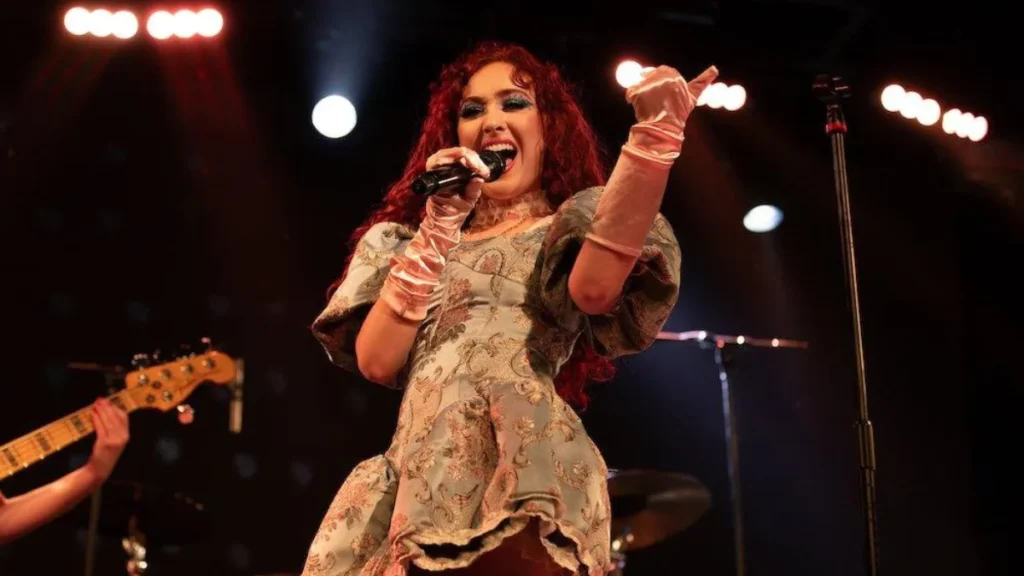
She has described her “tacky pop star” look as emerging from a conversation with her therapist about her inner child — the part of her that was suppressed in Willard and finally found permission to exist in LA. The sequins and stage makeup are not affectation. They are liberation made visible.
Her queer identity is not a branding decision. It is the structural core of her work. Every major song she has written circles back to themes of identity, desire, restriction, and freedom. “Pink Pony Club” is explicitly about finding yourself in queer spaces for the first time. “Good Luck, Babe!” is about someone in denial of their own queerness. “Naked in Manhattan” is about the vulnerability and intoxication of living openly as a queer woman in a city that finally has room for you.
“The Subway,” “The Giver,” and the Sound of a Second Chapter
In March 2025, shortly after the Grammy win, Roan released “The Giver.” It was unexpected — a moody, country-tinged track that debuted on Saturday Night Live and went on to top Billboard’s Hot Country Songs chart. It suggested that the synth-pop framework was not a cage but a starting point.
On July 31, 2025, she released “The Subway,” a song that had already premiered live at her 2024 Governor’s Ball set and been followed obsessively online for over a year. It cracked the US top five and was later nominated at the 68th Grammy Awards for both Record of the Year and Best Pop Solo Performance.
Two nominations in major categories for two different singles in a single year — while also in the middle of a tour and managing the aftermath of a Grammy win — is a level of sustained output that most artists cannot maintain without visible strain.
The 2026 Grammy nominations confirmed what the live shows already suggested: she is not a one-album story. The evolution in sound between “Pink Pony Club” and “Good Luck, Babe!” “The Giver” and “The Subway” point to an artist who is deliberately expanding her palette, not accidentally.
A Closer Look at the Controversies That Followed the Fame
The fame of this speed and magnitude does not arrive cleanly, and Roan’s has been no exception.
In June 2024, she publicly declined an invitation to perform at the White House during the annual Pride celebration, citing concerns about transgender rights and the ongoing conflict in Gaza. It was a decision that drew both strong support and genuine criticism. She was unbothered by the latter.
She has had repeated documented confrontations with paparazzi — on red carpets and in Paris — about personal boundaries and consent in photography. She has spoken publicly about feeling unsafe due to fan behaviour, including stalking and attempts to contact her family members. She addressed this directly on social media in 2024, describing some fan behaviour as invasive and asking for it to stop. The public response to that post was itself a controversy, with some fans reacting poorly to being called out.
In March 2026, while in Brazil to perform at Lollapalooza Brazil, footballer Jorginho alleged that her security team had been involved in a confrontation at her hotel. The incident received significant coverage and added to a narrative of difficult optics in a compressed period.
In February 2026, she announced she was leaving Wasserman, the talent agency led by Casey Wasserman, citing his affiliations with the Epstein files. It was another moment of publicly stated principle over industry comfort.
The “rich girl” debate — centred on the fact that her family had more material stability than her “donut shop dropout” narrative implied — has circled her story periodically. Her grandfather co-founded an insurance agency. Her parents were professionals. The point is not that she manufactured hardship, but that professional and financial struggles in the music industry are real regardless of family background, and being dropped without healthcare is a structural problem, not a personal one.
What Chappell Roan Is Actually Worth — And How She Built It
As of 2026, Chappell Roan’s net worth is estimated at $12 million. The range reflects the genuine difficulty of calculating wealth that has accumulated at the pace hers has.
Touring is the primary driver. In 2025 alone, her eleven headline shows grossed a reported $28.3 million, with over 276,000 tickets sold across that run. Her Midwest Princess Tour had already averaged nearly $90,000 per performance before the Grammy win repriced her entirely.
Streaming contributes significantly. “Good Luck, Babe!” crossed 1.9 billion streams on Spotify alone. The full catalogue has surpassed 6.4 billion combined streams across platforms. At industry-standard rates, her personal streaming income from the 2024–2026 window is estimated at between $3.5 million and $4.5 million after label and management cuts.
Her first major brand partnership — with MAC Cosmetics as global ambassador, signed in December 2025 — marked a deliberate shift after years of rejecting endorsement deals that did not align with her values. A Fortnite licensing partnership followed in February 2026. The selectivity has kept her credibility intact, which means each deal she does take commands a premium that a more endorsement-heavy artist could not achieve.
She consistently donates $1 from every ticket to LGBTQ+ youth organisations, which totalled over $400,000 in 2025 alone.
The Identity and Advocacy at the Heart of Her Brand
Chappell Roan’s connection to the LGBTQ+ community is not a positioning strategy. It is foundational.
She identifies as a lesbian. She grew up queer in a conservative Christian town where that identity had no visible models and no safe space. The moment she walked into a gay bar in West Hollywood for the first time and felt fully seen and accepted — that experience became the creative fuel for “Pink Pony Club” and, by extension, for everything that followed.
Her fanbase, whom she calls her “kittens,” skews heavily toward queer young people who recognise in her story something of their own — the performance of normality in hostile environments, the eventual discovery of chosen community, the particular relief of finding art that reflects your experience at you without apology.
Her Governors Ball performance as the Statue of Liberty, painted green and reading aloud from the statue’s inscription as a declaration of trans rights and women’s freedom, was not a stunt. It was entirely consistent with the values she has articulated at every stage of her career.
The structural commitment goes further than speeches. The $1-per-ticket donation programme to trans youth organisations, maintained even as the scale of her shows grew dramatically, is the kind of sustained advocacy that separates genuine values from convenient messaging.
The Hardest Year: Mental Health, LA Fires, and Nearly Walking Away
The most honest account of what 2025 actually cost, Chappell Roan did not come through a press release or an interview. It came through a newsletter she sent directly to fans at the end of the year.
In the letter, she described 2025 as brutal, even though it was less touring than she normally does. She admitted she had almost cancelled the American portion of the tour because she did not feel mentally healthy enough to proceed. She pushed through anyway, and she was not sure, in retrospect, that it had been the right call.
She had also been displaced by the Los Angeles wildfires that ravaged parts of the city in early 2025 — a disruption that compounded an already overwhelming period. She spoke about her Saturn return, referenced taking a trip to France as a lifeline, and took extended breaks from social media throughout the year.
She closed the newsletter by saying that 2026 should be the year of taking care of herself and others, and of building a community that felt real rather than online. She thanked fans for their love. It was not the statement of a pop star managing her image. It was the statement of a person who had been running as fast as she could and had finally stopped to look at how tired she was.