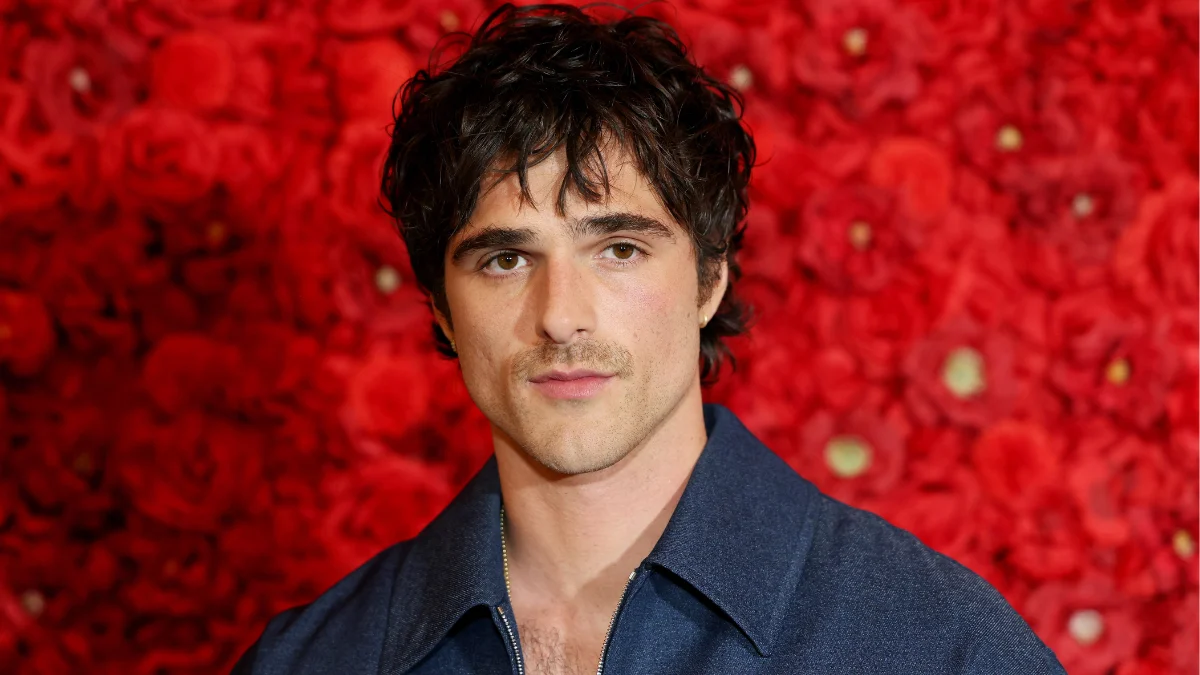
Some actors become famous, and then there are actors who become something else entirely. Jacob Elordi started as a tall, good-looking Australian kid in a forgettable Netflix teen romance.
Today, at just 28 years old, he is walking Oscar red carpets, earning his first Academy Award nomination, starring opposite Margot Robbie in one of 2026’s biggest films, and fronting Chanel campaigns directed by Luca Guadagnino.
The transformation did not happen by accident. It happened because Elordi kept making decisions that nobody expected — and because he was good enough to back every single one of them up.
This is the complete Jacob Elordi biography: where he came from, how he rewrote his own story, what his relationships actually look like behind the headlines, how much he has built financially, and exactly where he stands in 2026 as one of Hollywood’s most compelling leading men.
Quick Facts About Jacob Elordi
| Category | Details |
| Full Name | Jacob Nathaniel Elordi |
| Date of Birth | June 26, 1997 |
| Age (2026) | 28 |
| Birthplace | Brisbane, Queensland, Australia |
| Height | 6 feet 5 inches |
| Nationality | Australian |
| Relationship Status | Kendall Jenner (as of early 2026) |
| Estimated Net Worth | $4 million USD |
| Breakthrough Role | Noah Flynn, The Kissing Booth (2018) |
| Career-Defining Role | The Creature, Frankenstein (2025) |
| Awards (2026) | Critics Choice Best Supporting Actor; AACTA International Best Supporting Actor |
| Oscar Nomination | Best Supporting Actor, Frankenstein (2026) |
| Current Projects | Euphoria Season 3, Wuthering Heights, The Dog Stars |
The Brisbane Roots That Quietly Shaped His Ambition
Brisbane does not have Hollywood mythology attached to it. There are no legendary casting offices on its street corners, no stories of overnight discoveries at coffee shops on the Gold Coast. It is a warm, sun-drenched city with a deeply grounded culture, and it is exactly the kind of place that either pulls you toward comfort or sharpens the part of you that needs something more.
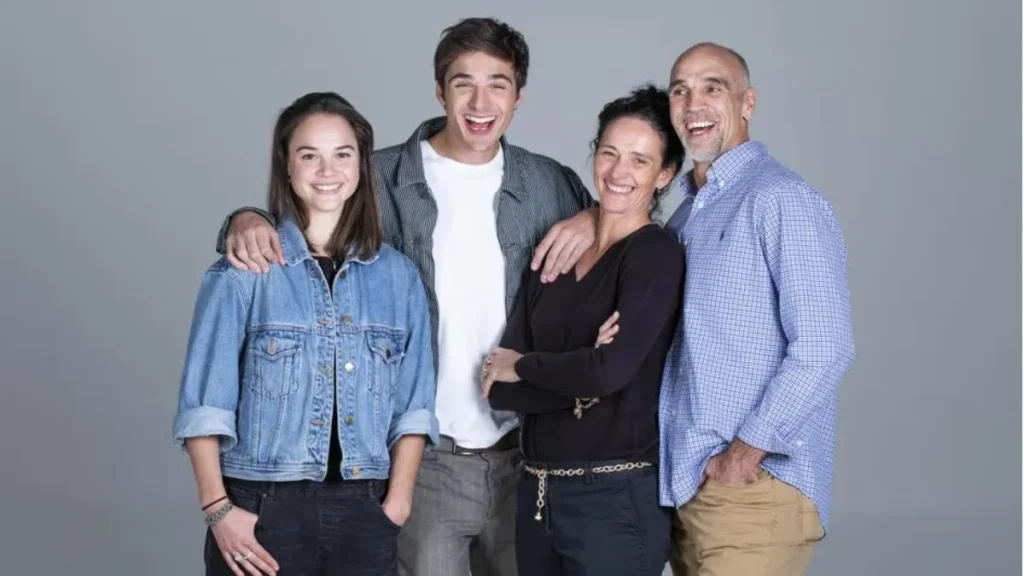
Jacob Nathaniel Elordi was born there on June 26, 1997, to John and Melissa Elordi. He grew up the youngest of three children, with two older sisters named Jalynn and Isabella. His father worked in the trades as a house painter. His mother kept the family together with the practical warmth that working-class Australian households tend to run on.
There was no industry connection. No family history in entertainment. No shortcut being quietly arranged in the background. What Elordi had instead was a father who took him to see films and built in him a deep, almost reverent love for cinema from a very young age. He has spoken in interviews about falling in love with Guillermo del Toro’s work at age eleven. That detail matters more than it sounds. A child in Brisbane obsessing over del Toro films is not building a career plan. He is building a sensibility. And it was that sensibility, years later, that would shape every professional decision he made once the industry came calling.
According to Yahoo, he arrived in Los Angeles, by his own telling, with somewhere between $400 and $800 in his bank account. Whatever Brisbane gave him, it was not a financial head start. But it gave him something more durable.
Catholic School, Footy Fields, and an Unexpected Audition
Elordi’s formal education ran through two notable Queensland institutions. He completed middle school at St. Kevin’s College in Melbourne before returning to Brisbane for Nudgee College, a Catholic school with a strong emphasis on sport and discipline.
At Nudgee, he played rugby to a high standard. His team repeatedly won district championships. He also discovered something about himself that most people who would later only know him as a heartthrob might not expect: he could sing. He participated in school musical productions and showed genuine ability in performance. Drama, sport, faith, and structure all blended together during those years into something that would show up later in how he approached craft.
The modelling came first, before anything else. In 2014, at age sixteen, he entered and won first prize in the under-seventeen category at a Melbourne fashion show. That early win was a signal, but not necessarily one he followed immediately. Elordi has described his younger self as someone who was passionate about acting but deeply uncertain about how to get there from where he was standing.
The Kissing Booth audition was, in many ways, a product of circumstance more than ambition. He was a young man with the right face, the right height, and just enough training to be convincing. He got the role of Noah Flynn. And then, in the way that these things sometimes work, the entire world watched it.
From Kissing Booth to Taken Seriously Overnight
When The Kissing Booth landed on Netflix in 2018, it became one of the platform’s most-watched original films almost immediately. Netflix’s own content chief at the time described it as potentially one of the most-watched movies in the world. Elordi was the romantic lead opposite Joey King, playing Noah Flynn with a charm that worked precisely because he never quite seemed to be trying.
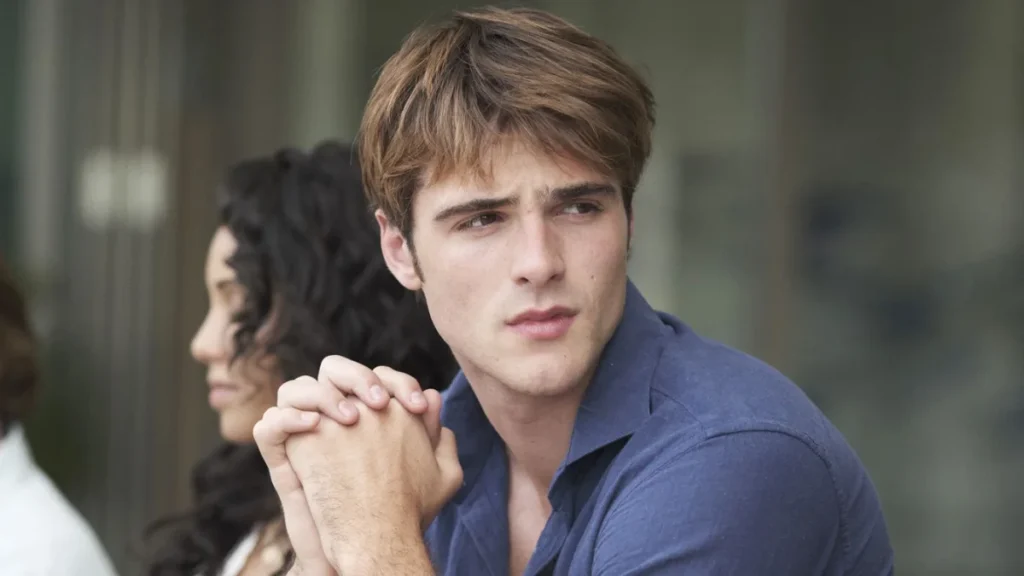
They dated briefly during production. It ended. There were sequels — The Kissing Booth 2 and The Kissing Booth 3 —, and Elordi returned for both, even as his feelings about the material became more complicated. Years later, he would describe the films in a GQ interview with a bluntness that took people by surprise. He called them “ridiculous” and said they were “not universal” — just “an escape.” He admitted that he had not wanted to make them before he did. He described the industry logic behind it, the idea that you do one for them so you can do one for yourself, as a trap. “Because it can become 15 for them, none for you. You have no original ideas, and you’re dead inside.”
Then in 2019, everything shifted. Elordi joined the cast of HBO’s Euphoria as Nate Jacobs, a volatile, deeply damaged high school athlete whose cruelty was always in conversation with his terror. It was the opposite of Noah Flynn in almost every way. Where Noah Flynn was aspirational fantasy, Nate Jacobs was the uncomfortable truth. The performance announced, quietly but unmistakably, that something more interesting was happening here than teen romance.
Also Read: Jacob Elordi as James Bond: The 007 Frontrunner Rumour Fully Explained
The Four Roles That Completely Rewrote His Reputation
Between 2019 and 2025, four performances did the work of completely repositioning Jacob Elordi in the industry’s imagination.
Nate Jacobs in Euphoria (Seasons 1 and 2, 2019–2022). The role gave him his first real dramatic canvas. Nate was not likeable. He was frightening and wounded and sometimes both at once. Elordi played him without apology or softening, which was exactly right. The performance did not get the awards attention it deserved at the time, but it got the industry’s attention.
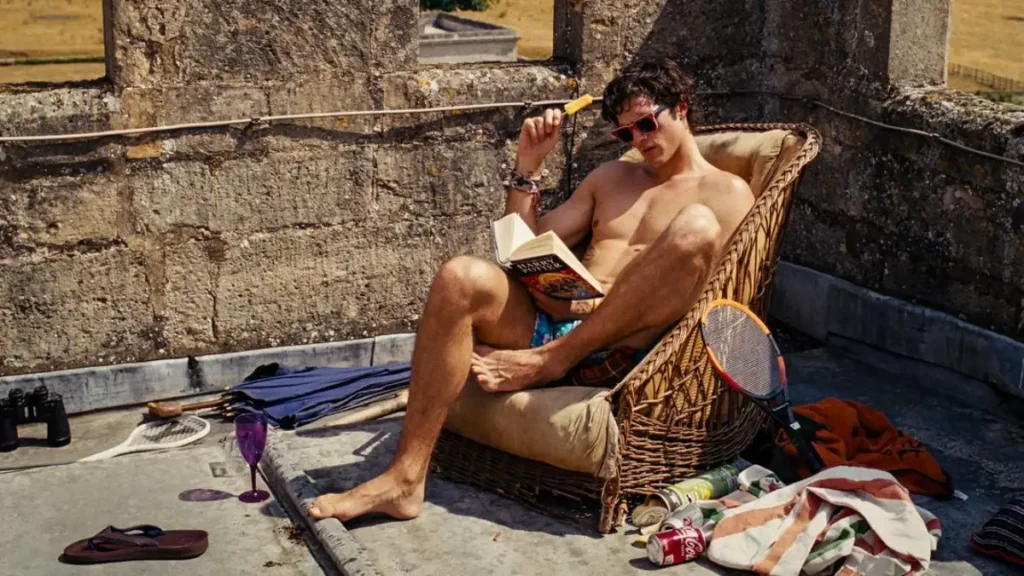
Felix Catton in Saltburn (2023). Emerald Fennell cast him as the golden, effortlessly privileged Oxford student at the centre of her darkly comic psychological thriller. Elordi understood the assignment at a level that transcended the surface charm of the role. Felix was not just beautiful. He was a kind of oblivious aristocratic force of nature that made him the perfect object of someone else’s obsession. The film became a cultural event. The conversation around it ran for months. Elordi came out of it with a BAFTA Rising Star nomination and a completely different kind of industry standing.
Elvis Presley in Priscilla (2023). Sofia Coppola casting Elordi as Elvis in her biopic, told from Priscilla Presley’s perspective, was a choice that made people stop and think. This was not a performance about impersonation. It was about presence, weight, and the specific kind of masculine glamour that consumes everything around it. He earned a People’s Choice Award nomination for Drama Movie Star of the Year.
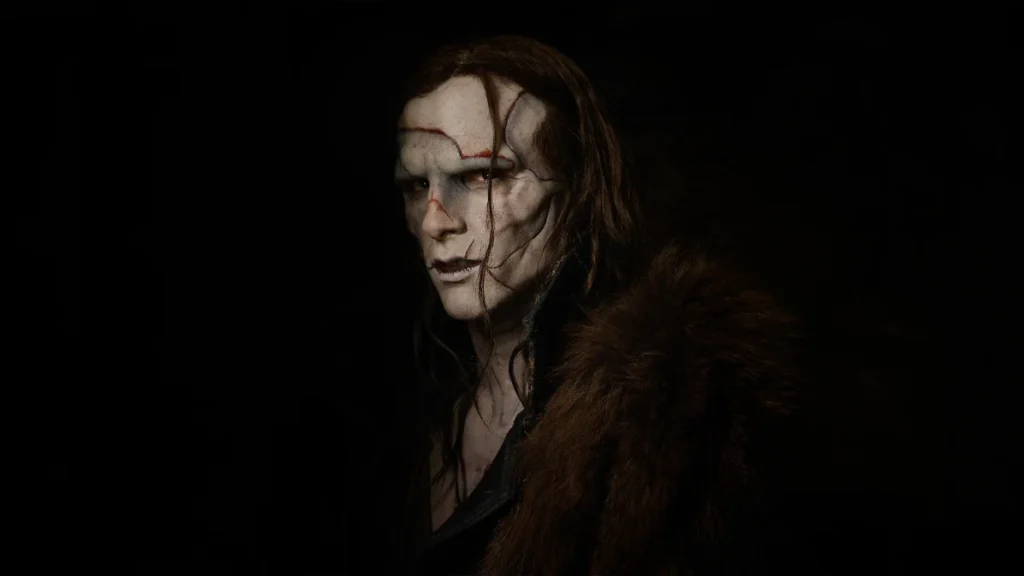
The Creature in Frankenstein (2025). This is the one that changed everything at the industry level. When Andrew Garfield dropped out of Guillermo del Toro’s Frankenstein due to scheduling conflicts nine weeks before filming was set to begin, del Toro set up a Zoom with Elordi. He had been impressed by Saltburn. The meeting happened. The casting happened. And Elordi, the kid from Brisbane who had fallen in love with del Toro’s work at age eleven, spent months going largely non-verbal on a film set in order to build a creature who struggles to understand the world around him. When asked why he chose Elordi, del Toro had a one-word answer: “Eyes.”
Awards, Traction, Oscar Nomination, and Industry Recognition
The 2025–2026 awards season became something of a sustained Jacob Elordi moment, and it was built almost entirely on Frankenstein.
He won Best Supporting Actor at the Critics’ Choice Awards in January 2026, in a category that included Benicio del Toro, Paul Mescal, Sean Penn, Adam Sandler, and Stellan Skarsgård. His acceptance speech — “Bloody hell. I really didn’t plan for it” — was exactly what it was: genuine surprise from a 28-year-old who had just beaten some of the most respected names in film.
He won Best Supporting Actor at the AACTA International Awards, a recognition that carried particular weight as an Australian being honoured by his own country’s film industry.
He earned BAFTA and Golden Globe nominations for Best Supporting Actor. He was nominated for Outstanding Performance by a Male Actor in a Supporting Role at the SAG Awards (rebranded as the Actor Awards). He received the Visionary Award at the 2026 ceremony, shared with del Toro, Oscar Isaac, and Mia Goth.
And then came the Oscar nomination — his first. Best Supporting Actor. He told The Hollywood Reporter he was “beside myself” when he found out. “I am so excited. I mean, I’m 28 years old. It’s wind in the sails.” He also received a separate BAFTA nomination for Leading Actor for the same film, reflecting how central his performance was to the entire production.
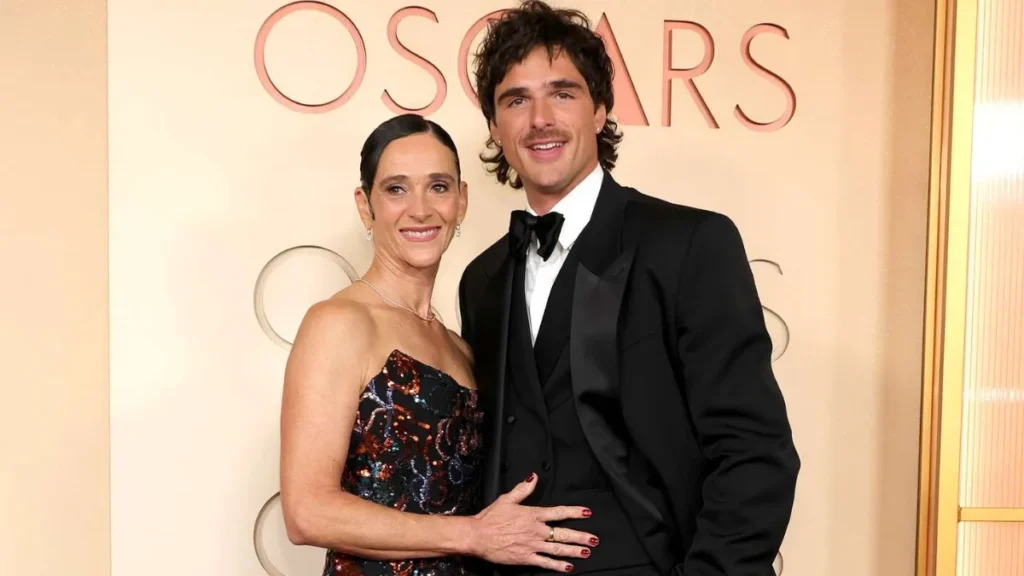
He arrived at the 98th Academy Awards on March 15, 2026, in a black three-piece suit, white dress shirt, and black bow tie. Whatever happened with the actual trophy, the nomination alone confirmed a transition that his film choices had been building toward for years.
He also received separate awards and recognition for The Narrow Road to the Deep North, the miniseries adaptation of Richard Flanagan’s Booker Prize-winning novel, in which he played Australian POW doctor Dorrigo Evans. Golden Globe, Satellite, and AACTA nods followed. He was named Favourite Australian Actor of the Year at the AACTAs. He has said the project was one of the most personally meaningful of his career — a chance to go home and make something in Australia that connected to his own identity in a way that American productions never quite can.
How Elordi Thinks About Choosing Roles — and What He Turns Down
There is a pattern to Jacob Elordi’s career decisions that becomes clearer the longer you look at it. He does not optimise for franchise safety. He does not chase the obvious next step. He gravitates toward directors with a clear and demanding artistic vision, and then he subordinates himself entirely to that vision.
He has described his philosophy in interviews as being fundamentally at the service of the filmmaker. Not the character, not the audience expectation, not his own brand — the filmmaker. “I think the actor should bring something to the part, but be able to be directed,” he said in a conversation about the Frankenstein casting process. “Be malleable so that they can take direction.”
His choices reflect this. Emerald Fennell twice. Sofia Coppola. Guillermo del Toro. These are directors who do not make easy films. They do not make films that become franchises. They make films that divide audiences, generate extended cultural conversation, and demand something real from their actors.
He turned down a Superman role. That detail, confirmed in industry reporting, says more about his thinking than almost anything else. The most commercially logical move for a tall, physically imposing, conventionally handsome actor in his mid-twenties is to take the superhero film and build from there. He passed. He took Saltburn and Priscilla instead.
He has also spoken candidly about the psychological trap of overworking. He has pushed back against the industry myth that constant output equals serious commitment. “There’s no rule book that says you need to make three movies every year,” he said in a 2025 Actors on Actors conversation. For someone who arrived in LA with almost nothing, that kind of professional patience is not obvious or easy. It is a choice made against considerable pressure.
Also Read: Jacob Elordi Bleu de Chanel: How He Became the Defining Male Star of His Generation
Relationships and What Little the Public Actually Knows
Jacob Elordi’s relationship history has been well-documented precisely because he has tried to keep most of it private, which creates the specific tabloid dynamic where every sighting becomes a story.
His first publicly known relationship came during The Kissing Booth production with co-star Joey King. They spent long days on set together — up to seventeen hours at a time — and began dating. They went public. They broke up in November 2018. It ended without much drama.
What followed was reported but never confirmed. He and Zendaya, his Euphoria co-star, were linked throughout 2019 and into 2020. Neither confirmed anything. They remained close professionally. The rumours existed alongside a genuine mutual respect that was visible in every joint interview they gave about the show.
Kaia Gerber, daughter of supermodel Cindy Crawford, was his next public relationship — and his most visible at the time. They dated for approximately one year from late 2020, attending events together and making occasional public appearances before parting ways in November 2021.
His longest and most complicated relationship was with Olivia Jade Giannulli, the influencer daughter of actress Lori Loughlin. They were first spotted together in December 2021, within weeks of the Gerber split. What followed was four years of on-again, off-again speculation. They broke up in August 2022. They reconciled. They took a trip to Italy. They visited her parents in Idaho. They broke up again in August 2025. A source told People in October 2025 that it was “fully over” and that they were “not getting back together.” Then they were spotted together at a Frankenstein screening in New York in early 2026. A source told Us Weekly they were not putting a label on things. As of early 2026, the situation remained genuinely unclear.
Post-Olivia Jade, Elordi was briefly spotted with model Kristen Kiehnle — coffee in LA, a trip to Big Sur, the Frankenstein premiere, lunch in Malibu. Nothing confirmed. Then there were the Kendall Jenner sightings — the Vanity Fair Oscar Party in March 2026, then Coachella, where they were reportedly seen together watching Justin Bieber’s set. Still in the realm of rumour at the time of writing.
What Elordi himself has said about love is more revealing than any confirmed relationship. He described crying through Ang Lee’s Sense and Sensibility, moved by what he called “our hopeless attempts at love, and being in love, and feeling it and misunderstanding it.” He described his first kiss at a Melbourne train station as “probably still one of the most romantic moments in my life.” He talks about love like someone who takes it very seriously and protects it from precisely the audience that wants to consume it.
How Jacob Elordi Built His Net Worth and Financial Standing
Jacob Elordi’s estimated net worth in 2026 is approximately $4 million USD, according to industry sources. For a 28-year-old actor still in the early-to-mid stage of a career that is clearly accelerating, the figure is notable. What is more notable is how it was built.
He arrived in LA with almost nothing. The Kissing Booth franchise gave him financial stability and global name recognition. Euphoria increased his rate significantly. Saltburn and Priscilla moved him into a different fee bracket. Frankenstein and Wuthering Heights completed the transition from streaming talent to theatrical leading man.
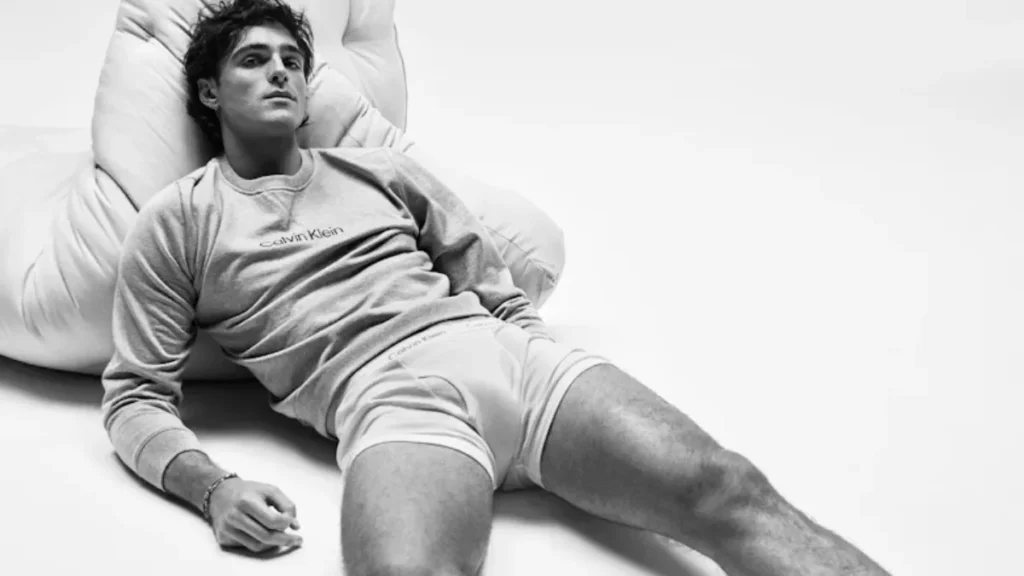
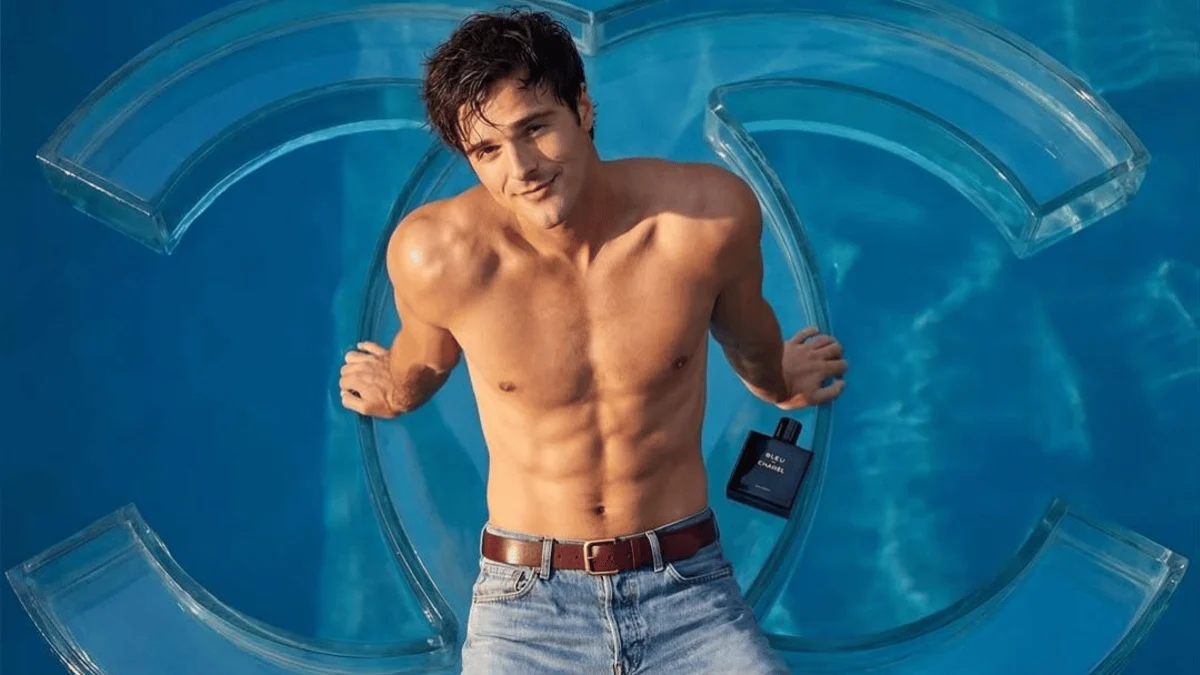
The brand side has also been consistent and strategically chosen. He became a Calvin Klein face in 2021. He fronted Hugo Boss in 2022. He joined TAG Heuer as a brand ambassador the same year. And then Chanel came — the most significant luxury alignment of his career. His Chanel campaign alongside Margot Robbie was directed by Luca Guadagnino (Call Me by Your Name), which is not a detail you overlook. That is not a perfume campaign. That is a short film with two of cinema’s most talked-about faces, directed by one of Italy’s most celebrated filmmakers. The financial terms have not been disclosed, but multi-year luxury brand partnerships at that level are known to run well into seven figures.
He has said publicly that he finds celebrity culture uncomfortable and prefers to talk about craft. But his financial decisions — calculated, patient, brand-conscious without being brand-led — suggest a much clearer commercial intelligence than he lets on in conversation.
The Chanel Era and What Luxury Brands See in Him
The Chanel partnership deserves its own consideration because it signals something specific about where Elordi sits in the cultural landscape in 2026.
Luxury brands do not align with actors simply because those actors are famous. Fame is common. What brands like Chanel are purchasing is a particular kind of cultural legibility — the ability to represent something aspirational, timeless, and slightly beyond reach.
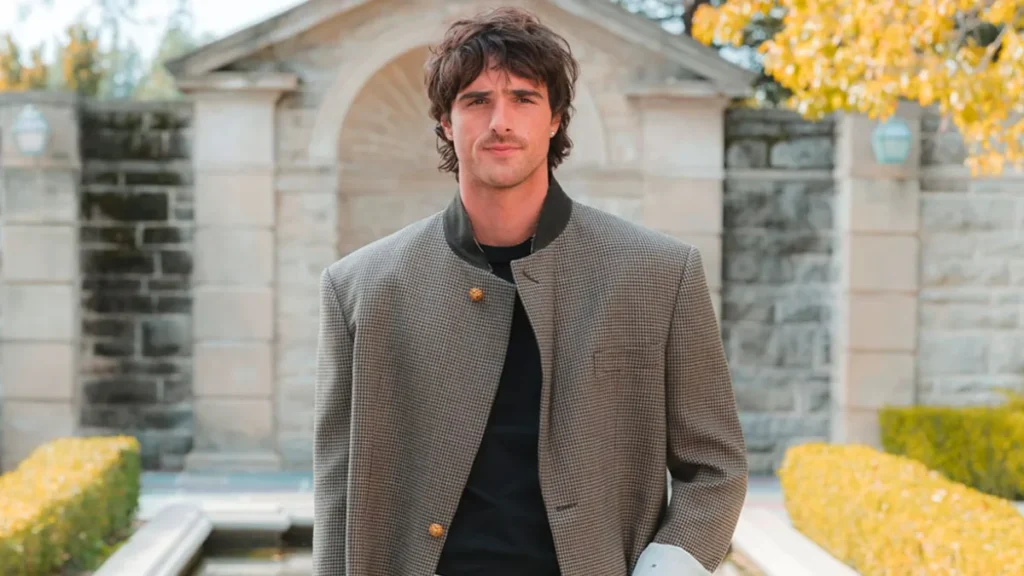
Elordi, at 6 feet 5 inches, with a face that oscillates between classical and contemporary, represents exactly that kind of legibility. He is physically striking without being cartoonishly so. He carries the weight of his roles — the menace of Nate Jacobs, the terrible beauty of Felix Catton, the tragic yearning of the Creature — into his public presence without it overwhelming his appeal. He wears clothes well. He interviews thoughtfully. He does not embarrass the brand.
But it goes further than aesthetics. The Guadagnino-directed Chanel campaign placed Elordi within a very specific artistic context — one that communicated to a culturally engaged audience that this was not simply a handsome face for hire. This was a collaboration between recognisable creative talents. That distinction matters enormously to a brand like Chanel, which has built its entire identity around the idea that beauty and intelligence are not in competition.
He had also previously been the face of Bottega Veneta, aligning with another house that prizes understatement and craft over noise. The pattern is consistent. Elordi does not work with brands that shout. He works with brands that know how to be quiet in ways that command attention.
Cultural Image — From Heartthrob to Prestige Leading Man
The word “heartthrob” has followed Jacob Elordi since 2018, and he has spent every year since quietly dismantling it without ever directly attacking it. That is the smart move. You do not win by arguing with the label. You win by making the label irrelevant.
He has done this methodically. Every role has added a layer that the word “heartthrob” cannot contain. Nate Jacobs is frightening. Felix Catton is unnerving. Elvis Presley, through Sofia Coppola’s lens, is a beautiful, consuming absence. The Creature in Frankenstein is grief and wonder rendered physical. None of these performances is about being attractive. They are about using his particular qualities — the size, the presence, the face that can register tenderness and threat in the same expression — as instruments of something more complex.
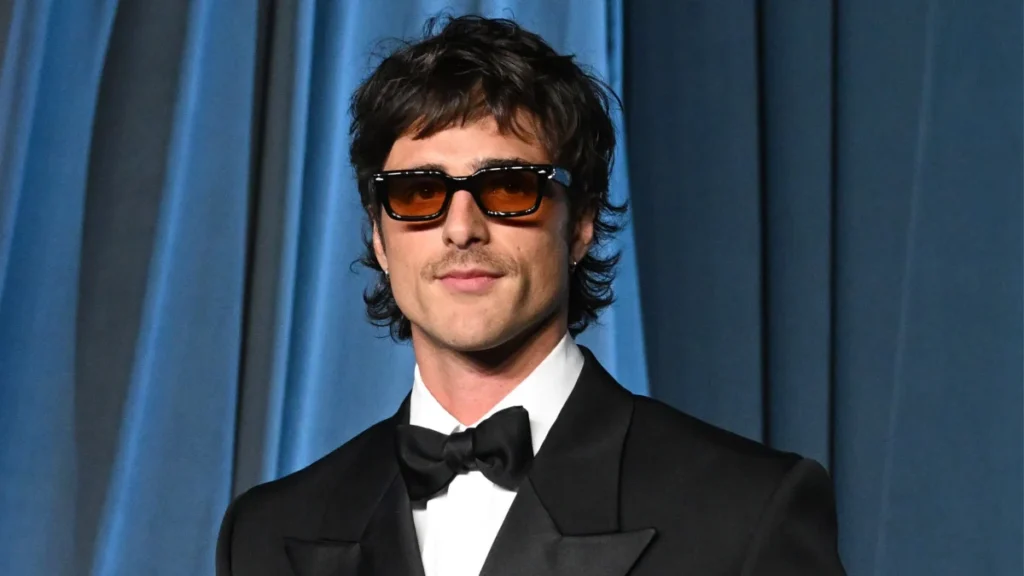
The industry has caught up. The critics’ awards. The Oscar nomination. The BAFTA nomination. These are not things that happen to heartthrobs. They happen to actors.
His cultural moment in 2026 is notable for its combination of factors: a prestige awards run, a blockbuster theatrical release, a returning premium TV performance, and luxury brand campaigns all happening simultaneously. That kind of alignment does not happen by accident. It happens when someone has been building deliberately for years, and the different streams finally converge at once.
What Jacob Elordi Is Doing Right Now in 2026
The present moment for Elordi is perhaps his busiest and most consequential to date.
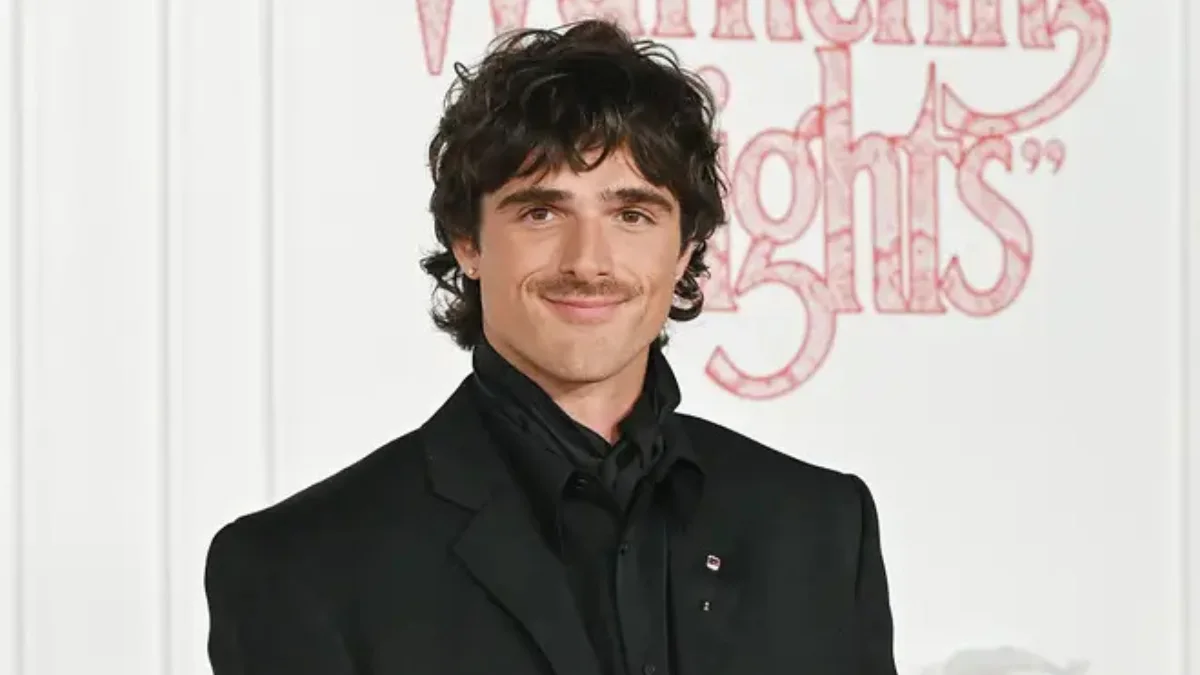
Wuthering Heights, Emerald Fennell’s adaptation of the Emily Brontë novel, was released on February 13, 2026. Elordi plays Heathcliff opposite Margot Robbie’s Catherine Earnshaw. By May 2026, the film had grossed $76.8 million globally. Critical reception was divided — the casting of the traditionally dark-complexioned Heathcliff drew significant commentary — but Elordi addressed this directly in interviews, stating that his only consideration was serving his director’s artistic vision and the truth of the screenplay. Robbie described their working relationship as one that made her feel “codependent quite quickly,” noting that he was always present and quietly watchful on set.
Euphoria Season 3 premiered on HBO on April 12, 2026 — more than four years after Season 2. Elordi returns as Nate Jacobs in what is described as the show’s final season, with a time jump that moves Nate into adulthood. He has described filming it as “so much fun” and called the season visually and narratively exciting.
The Dog Stars, a Ridley Scott science fiction film, is scheduled for release on August 28, 2026. The project represents yet another directorial collaboration with a filmmaker whose ambition matches Elordi’s own.
He is 28. He has an Oscar nomination. He has a Chanel campaign. He has two films in release and a third coming. He has a final season of the show that first told the industry he was worth paying attention to. And somewhere between the red carpets and the award podiums, he still makes time to read plays every day, talk to strangers and actually listen, and remind anyone who will interview him that no rule book says you have to make three movies a year.
The kid from Brisbane has figured out exactly how to do this. And he is only getting started.